

Agricultural production is essential for feeding the world’s growing population, but it also generates enormous amounts of waste every year. Crop residues such as rice husks, wheat straw, corn stalks, sugarcane bagasse, cotton stalks, and other agricultural by-products often accumulate after harvest. In many regions, these materials are burned in open fields, dumped in landfills, or left to decompose naturally. Such practices not only waste valuable resources but also contribute to air pollution, greenhouse gas emissions, and environmental degradation.
As countries seek sustainable solutions for waste management and renewable energy production, biomass pellets have emerged as an effective answer. By converting agricultural residues into high-density fuel, biomass pellet production helps reduce waste while creating economic and environmental benefits. Biomass pellets are now widely used for residential heating, industrial boilers, biomass power generation, and commercial energy applications.
This article explores how biomass pellets help reduce agricultural waste, the technologies involved in pellet production, and the role of biomass energy in promoting sustainable development.
Understanding Agricultural Waste
Agricultural waste refers to organic materials generated during farming, harvesting, and agricultural processing activities.
Common agricultural residues include:
- Rice husks
- Wheat straw
- Corn stalks
- Cotton stalks
- Soybean straw
- Peanut shells
- Coconut shells
- Sugarcane bagasse
- Palm fiber
- Sunflower stalks
Globally, billions of tons of agricultural residues are produced each year. While a portion is used for animal feed, composting, or soil improvement, a significant amount remains underutilized.
Improper disposal of agricultural waste creates several challenges:
- Air pollution from open burning
- Greenhouse gas emissions
- Land occupation
- Water contamination
- Increased fire risks
Finding productive uses for these residues has become a major environmental priority.
The Growing Need for Sustainable Waste Management
Traditional agricultural waste disposal methods are becoming increasingly unsustainable.
Open Burning
Many farmers burn crop residues after harvest to clear fields quickly.
However, open burning releases:
- Carbon dioxide
- Carbon monoxide
- Particulate matter
- Nitrogen oxides
These emissions contribute to climate change and poor air quality.
Landfilling
Agricultural waste deposited in landfills occupies valuable space and may generate methane emissions during decomposition.
Natural Decomposition
Although biodegradable, large quantities of agricultural waste release greenhouse gases as they break down.
As environmental regulations become stricter, governments and industries are seeking more sustainable alternatives.
Biomass pellet production provides an effective solution by transforming waste materials into renewable energy products.
What Are Biomass Pellets?
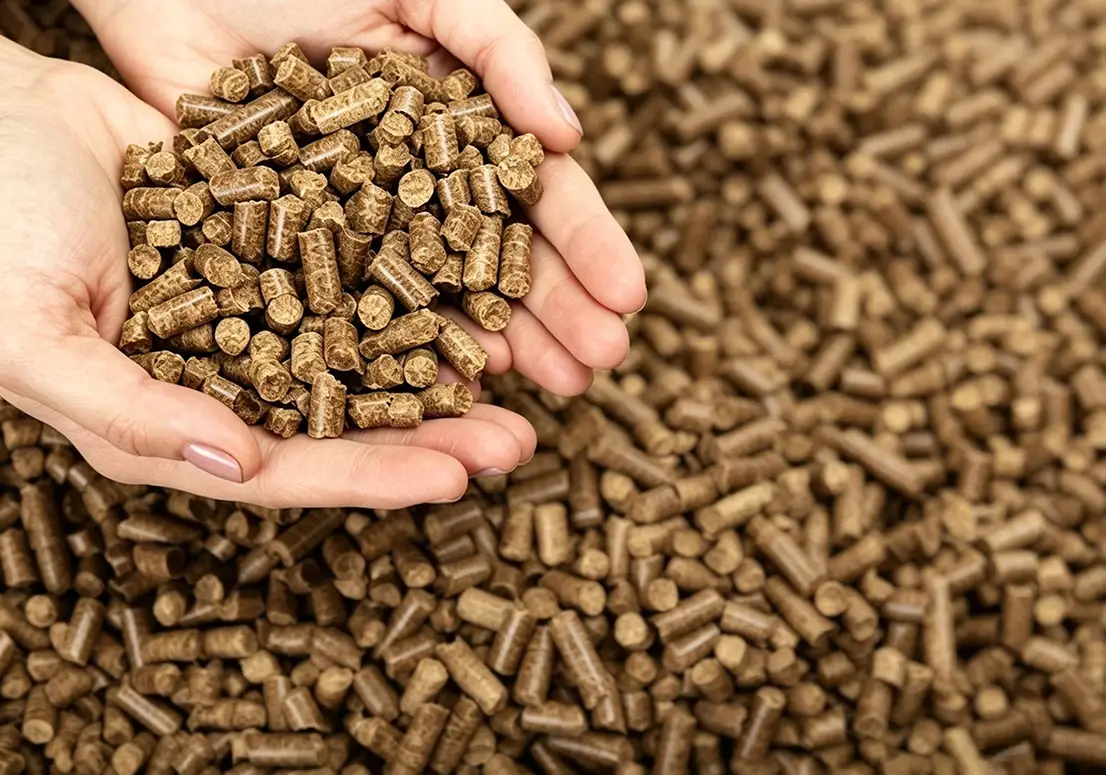
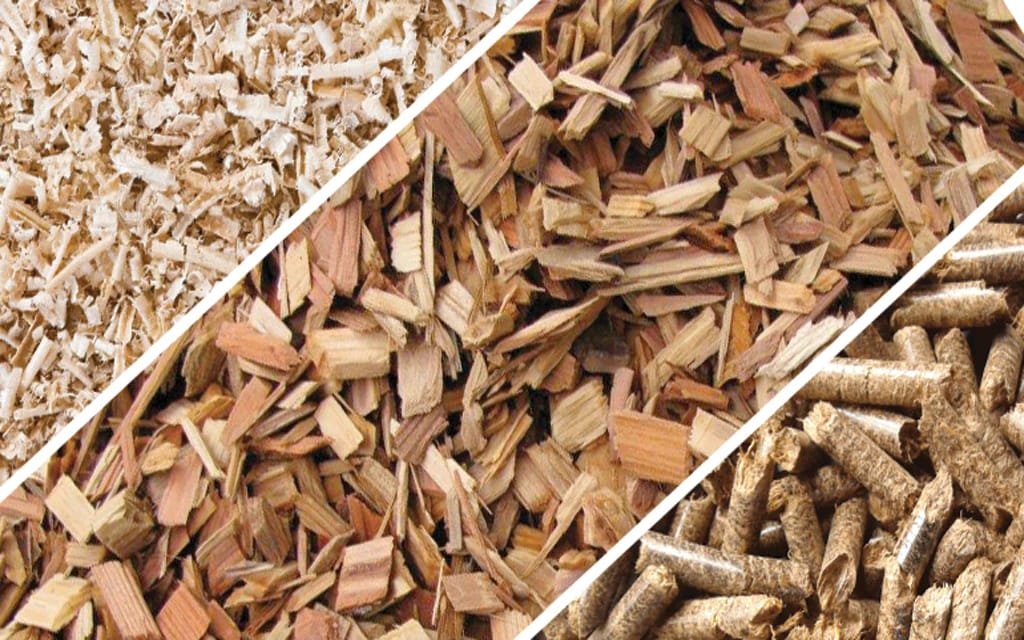
Biomass pellets are compressed cylindrical fuel products manufactured from organic materials.
Common feedstocks include:
- Agricultural residues
- Forestry waste
- Wood processing by-products
- Energy crops
The pelletization process converts loose biomass into dense, uniform fuel with improved handling and combustion characteristics.
Compared with raw agricultural waste, biomass pellets offer:
- Higher energy density
- Lower moisture content
- Easier transportation
- Better storage properties
- More efficient combustion
These advantages have contributed to their growing popularity worldwide.
Converting Agricultural Waste into Valuable Fuel
One of the greatest benefits of biomass pellets is their ability to transform low-value agricultural residues into marketable energy products.
Instead of being discarded, crop residues can become valuable raw materials for pellet manufacturing.
Examples include:
Rice Husks
Widely available in rice-producing regions.
Corn Stalks
Abundant in major corn-growing countries.
Wheat Straw
Produced in large quantities after harvest.
Sugarcane Bagasse
Generated during sugar processing.
Cotton Stalks
Common in cotton-producing areas.
Through pelletization, these materials gain economic value while reducing environmental burdens.
Reducing Open-Field Burning
Open burning remains one of the most common methods of agricultural waste disposal.
Unfortunately, this practice creates serious environmental problems.
Negative impacts include:
Air Pollution
Smoke contains harmful pollutants that affect human health.
Greenhouse Gas Emissions
Burning releases significant amounts of carbon dioxide.
Soil Degradation
Repeated burning can reduce soil quality.
Fire Hazards
Uncontrolled fires may spread to nearby areas.
Biomass pellet production offers farmers an alternative disposal method.
By selling crop residues to pellet manufacturers, farmers can generate additional income while avoiding the environmental consequences of open burning.
Supporting Renewable Energy Development
Biomass pellets are recognized as a renewable energy source because they originate from organic materials that can be replenished through natural growth cycles.
Unlike fossil fuels, biomass participates in a relatively short carbon cycle.
Benefits include:
- Reduced dependence on coal
- Lower greenhouse gas emissions
- Increased energy diversification
- Improved energy security
By converting agricultural waste into biomass fuel, countries can expand renewable energy production while addressing waste management challenges.
https://richipelletizer.com/wood-pellet-production-line-price
Creating Additional Income for Farmers
Agricultural residues were once viewed primarily as waste.
Today, biomass pellet production creates new revenue opportunities for farmers.
Farmers can sell:
- Straw
- Corn stalks
- Rice husks
- Cotton residues
- Other crop by-products
This additional income can help offset production costs and improve farm profitability.
The development of biomass supply chains also creates employment opportunities in:
- Collection
- Transportation
- Storage
- Processing
As a result, biomass pellet production contributes to rural economic development.
Improving Resource Utilization Efficiency
A major advantage of biomass pellets is improved resource efficiency.
Instead of wasting agricultural by-products, pellet production allows society to extract additional value from existing resources.
This supports circular economy principles by:
- Minimizing waste
- Extending resource lifecycles
- Reducing environmental impacts
- Creating economic opportunities
Efficient resource utilization is becoming increasingly important as global populations and resource demands continue to grow.
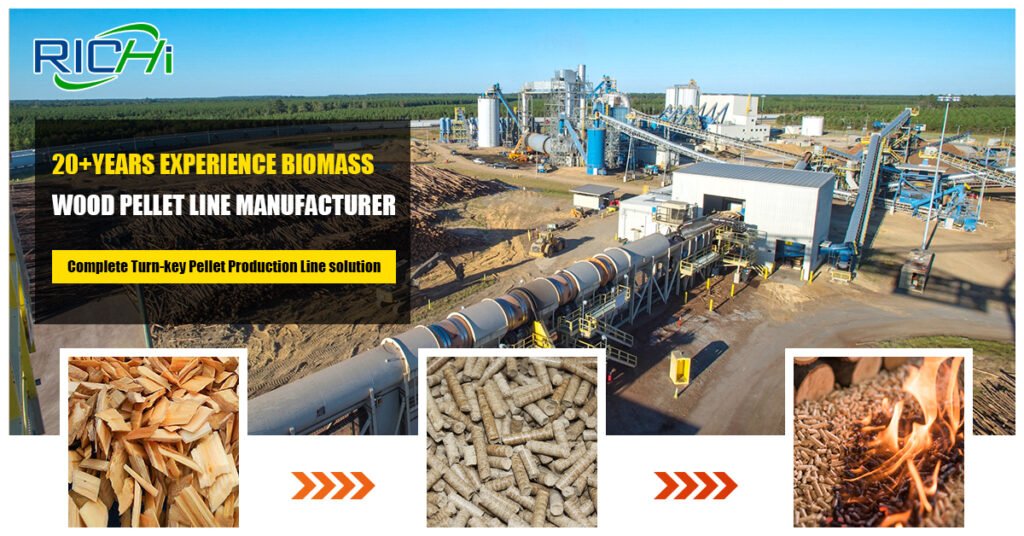
The Biomass Pellet Manufacturing Process
The conversion of agricultural residues into pellets involves several processing stages.
Raw Material Collection
Crop residues are gathered from farms and agricultural processing facilities.
Size Reduction
Materials are chopped and ground into suitable particle sizes.
Drying
Moisture content is reduced to optimal levels.
Pelletizing
Biomass is compressed into dense cylindrical pellets.
Cooling
Fresh pellets are cooled to improve durability.
Screening and Packaging
Finished pellets are screened and prepared for storage or transportation.
Each stage contributes to producing high-quality renewable fuel.
The Role of a Wood Pellet Manufacturing Line
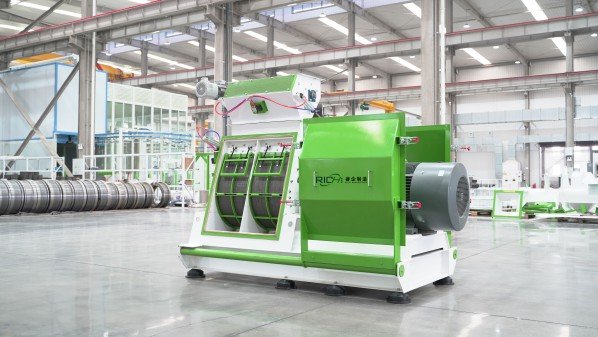
Although many pellet plants process agricultural residues, modern facilities often utilize a wood pellet manufacturing line that can also handle various biomass materials.
A complete wood pellet manufacturing line typically includes:
- Chippers
- Hammer mills
- Dryers
- Pellet mills
- Coolers
- Screeners
- Packaging systems
Advanced equipment allows producers to process multiple feedstocks efficiently while maintaining consistent pellet quality.
The flexibility of a wood pellet manufacturing line enables operators to adapt to changing raw material availability and market demands.
Reducing Greenhouse Gas Emissions
Agricultural waste utilization through pellet production contributes to climate change mitigation.
Benefits include:
Lower Methane Emissions
Preventing uncontrolled decomposition reduces methane generation.
Reduced Fossil Fuel Consumption
Biomass pellets replace coal, oil, and natural gas.
Carbon Recycling
Biomass fuels release carbon recently absorbed from the atmosphere rather than ancient carbon stored underground.
These factors make biomass pellets an important component of global carbon reduction strategies.
Supporting Energy Security
Many countries depend heavily on imported fossil fuels.
Agricultural residues provide locally available energy resources that can be converted into biomass pellets.
Advantages include:
- Reduced fuel imports
- Enhanced energy independence
- Greater supply stability
- Local economic development
By utilizing domestic biomass resources, nations can strengthen their energy security while reducing environmental impacts.
Biomass Pellets in Industrial Applications
Industrial facilities require large amounts of thermal energy.
Biomass pellets produced from agricultural residues can be used in:
- Industrial boilers
- Food processing plants
- Textile factories
- Chemical manufacturing facilities
- Agricultural drying systems
Compared with fossil fuels, biomass pellets often provide environmental and economic advantages.
Industrial demand represents one of the largest growth opportunities for biomass pellet producers.
Power Generation from Agricultural Waste
Agricultural biomass can also support electricity production.
Power generation applications include:
Dedicated Biomass Power Plants
Facilities designed specifically for biomass fuel.
Combined Heat and Power Systems
Simultaneous production of electricity and useful heat.
Co-Firing Facilities
Power plants that replace a portion of coal with biomass pellets.
These technologies help increase renewable energy capacity while reducing dependence on fossil fuels.
Challenges in Agricultural Biomass Pellet Production
Despite numerous benefits, biomass pellet production faces several challenges.
Seasonal Availability
Agricultural residues are often produced during limited harvest periods.
Storage Requirements
Large quantities of biomass require adequate storage infrastructure.
Transportation Costs
Collecting dispersed residues can be expensive.
Feedstock Variability
Different crops produce materials with varying characteristics.
Modern pellet technologies and supply chain management practices help address these challenges effectively. (you can look here)
Future Opportunities for Agricultural Biomass Utilization
The future of agricultural biomass pellet production appears highly promising.
Emerging trends include:
- Advanced pellet technologies
- Improved logistics systems
- Smart biomass processing facilities
- Expansion of renewable energy markets
- Government support for waste utilization
As sustainability becomes increasingly important, agricultural residues are likely to play a larger role in renewable energy production.
Environmental Benefits Beyond Waste Reduction
In addition to reducing agricultural waste, biomass pellet production provides several broader environmental benefits.
These include:
- Reduced landfill usage
- Improved air quality
- Lower carbon emissions
- Conservation of fossil fuel resources
- Support for sustainable agriculture
Such benefits contribute to long-term environmental sustainability and climate resilience.
Conclusion
Agricultural waste presents both a challenge and an opportunity. While traditional disposal methods such as open burning and landfilling create environmental problems, biomass pellet production offers a practical and sustainable alternative. By converting crop residues into renewable fuel, biomass pellets help reduce waste, lower greenhouse gas emissions, improve resource utilization, and create additional income for farmers.
Modern technologies, including advanced wood pellet line systems, enable efficient processing of agricultural residues into high-quality fuel products. As global demand for renewable energy continues to grow, biomass pellets will play an increasingly important role in reducing agricultural waste and supporting sustainable economic development. Through effective utilization of agricultural by-products, biomass pellet production demonstrates how environmental protection and economic growth can work together to create a more sustainable future.