


The global energy industry is experiencing a major transformation. Rising fuel costs, environmental regulations, and increasing demand for renewable energy have encouraged businesses to search for cleaner alternatives to traditional fossil fuels.
Among various renewable resources, agricultural residues have attracted significant attention. Materials such as wheat straw, corn stalks, rice straw, and other crop wastes are available in large quantities in agricultural regions. Instead of being burned or abandoned, these materials can now be converted into valuable biomass fuel through modern pellet technology.
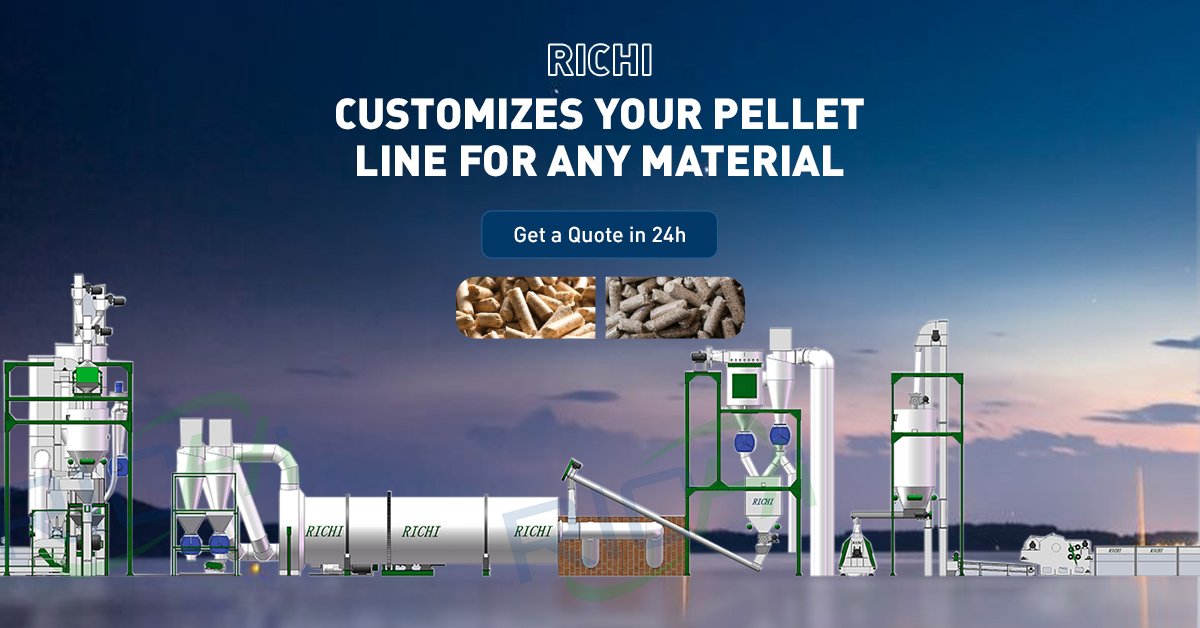
The development of the straw pellet processing line has created a practical way for companies to produce high-density biomass fuel with stable quality and commercial value.
From small farms to large energy companies, more investors are exploring straw pellet production as a sustainable business opportunity.
The Growing Importance of Biomass Energy
For many years, coal and fossil fuels dominated industrial energy markets. However, concerns about carbon emissions and energy security have accelerated the transition toward renewable resources.
Biomass energy offers several unique advantages:
- Renewable supply from agricultural activities
- Reduced dependence on fossil fuels
- Improved agricultural waste management
- Lower carbon emissions
- Support for rural economic development
Unlike solar and wind energy, biomass has the advantage of being storable and transportable. Pellets can be produced when raw materials are available and stored for later energy use.
This makes biomass pellets a flexible renewable energy option.
Why Straw Is an Ideal Pellet Material
Straw is one of the most abundant agricultural resources worldwide.
Common straw resources include:
- Wheat straw
- Rice straw
- Corn stalks
- Barley straw
- Sorghum residues
- Grass residues
Although raw straw has low density and poor transportation efficiency, pelletizing solves these problems.
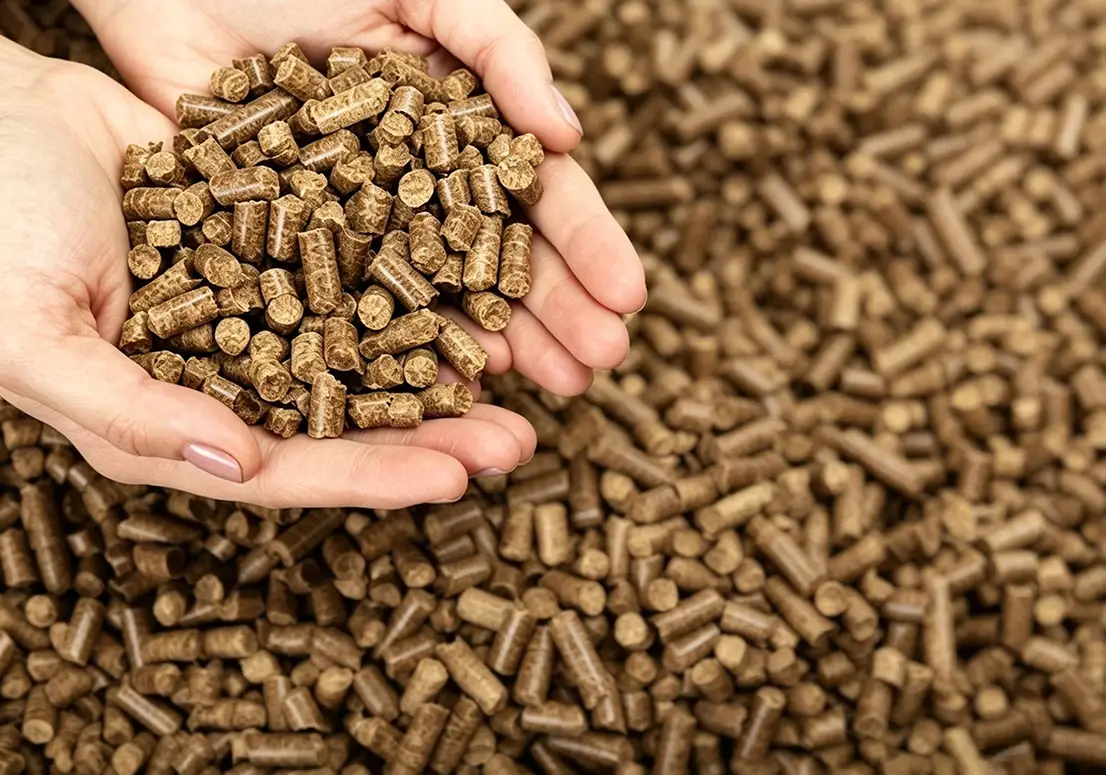
During the pellet production process, loose biomass is compressed into compact cylindrical pellets. The result is a product with:
- Higher density
- Better combustion performance
- Easier storage
- Lower transportation costs
This value-added process creates economic opportunities for agricultural producers.
How a Straw Pellet Factory Operates
A commercial biomass pellet factory requires multiple processing steps to achieve consistent product quality.
Raw Material Collection
The first challenge is ensuring a stable supply of straw.
Successful projects usually cooperate with:
- Local farmers
- Agricultural cooperatives
- Crop processing companies
- Large farming enterprises
Reliable raw material sourcing is the foundation of long-term operation.
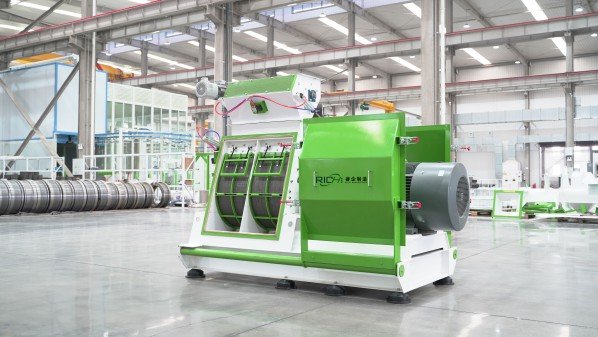
Crushing and Size Reduction
Fresh straw usually contains long fibers that cannot directly enter the pellet mill.
A crushing system reduces material size and creates suitable particles.
The correct particle size improves:
- Feeding stability
- Compression efficiency
- Pellet appearance
Drying and Moisture Control
Moisture management is critical in biomass production.
Too much moisture can cause:
- Low pellet strength
- Higher energy consumption
- Production instability
Too little moisture may reduce natural binding ability.
Professional production systems include drying solutions to maintain suitable moisture levels.
Compression and Pellet Formation
The pelletizing stage is where loose biomass becomes a commercial product.
Under high pressure, materials pass through the die holes and form dense cylindrical pellets.
Equipment selection directly influences:
- Output capacity
- Energy consumption
- Pellet quality
- Production lifespan
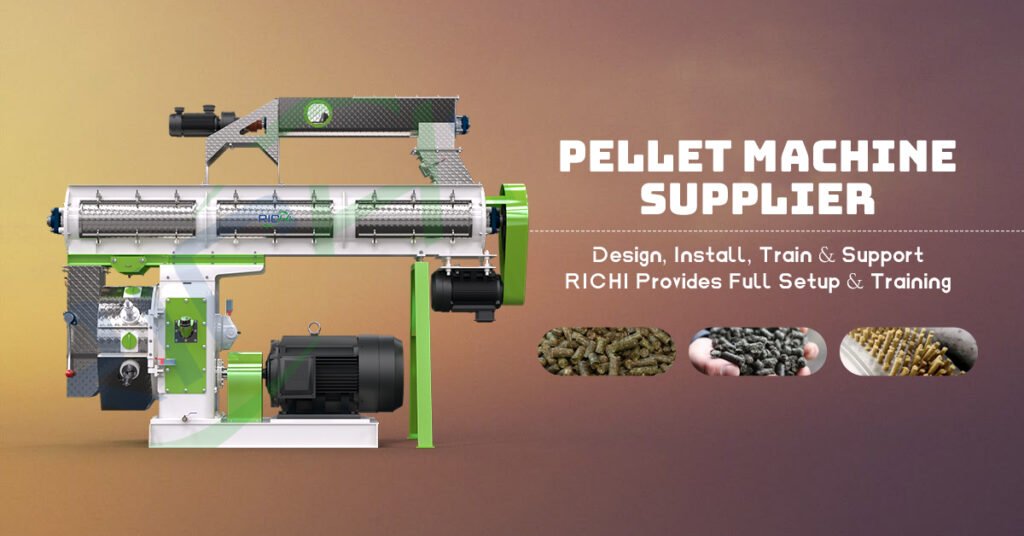
For investors entering the biomass industry, choosing suitable equipment such as a 1-2 T/H hay pellet making machine for sale can provide a flexible solution for small and medium production projects.
Cooling, Screening, and Packaging
After pellet formation, pellets require cooling to improve durability.
Screening removes broken particles, while packaging prepares the final product for transportation and sales.
A complete production system ensures every stage works together efficiently.
Different Business Models in the Straw Pellet Industry
One reason straw pellet production attracts investors is the variety of possible business models.
Biomass Fuel Production
Companies can sell pellets to:
- Heating plants
- Industrial boilers
- Power generation facilities
This market continues expanding as industries search for renewable fuel sources.
Animal Bedding Production
Straw pellets are also widely used as animal bedding because they are:
- Absorbent
- Easy to store
- Convenient to transport
- Cleaner than loose straw
Markets include:
- Horse farms
- Poultry farms
- Livestock facilities
Agricultural Recycling Projects
Some governments and agricultural organizations support projects that convert waste into useful products.
These projects improve:
- Waste management
- Farmer income
- Environmental performance
The Importance of Choosing Suitable Production Capacity
Different markets require different production scales.
A small regional supplier may not need a large industrial factory.
However, companies targeting export markets or large fuel contracts require higher output.
For example, larger agricultural enterprises may select equipment like the 5-6 T/H hay pellet machine for sale to achieve continuous commercial production.
The correct capacity selection helps balance:
- Investment cost
- Production efficiency
- Market demand
- Future expansion
Why Complete Solutions Are More Effective
Many investors focus only on purchasing pellet machines. However, successful pellet projects require complete planning.
A professional solution should include:
Raw Material Analysis
Different straw types have different characteristics.
Factory Layout Design
Proper equipment arrangement improves workflow.
Production Optimization
Every machine should match the required capacity.
Technical Support
Installation and operation guidance reduce startup problems.
Experienced suppliers provide complete engineering solutions rather than only individual machines.
Companies like Richi Machinery manufacture integrated biomass processing equipment and provide customized production plans according to different project requirements.
Improving Production Efficiency Through Technology
Modern pellet factories increasingly adopt advanced technologies.
Automatic Feeding Systems
Stable feeding improves pellet quality and reduces manual operation.
Intelligent Monitoring
Operators can monitor production conditions in real time.
Energy-Saving Design
Optimized motors and improved equipment structures reduce operating costs.
Modular Expansion
Factories can increase capacity by adding additional equipment in the future.
These improvements make biomass production more competitive.
Environmental Advantages of Straw Pellet Production
The environmental benefits of straw pellet production are significant.
Reducing Open Burning
In many agricultural regions, straw burning causes serious air pollution.
Pellet production provides a cleaner alternative.
Supporting Carbon Reduction
Replacing fossil fuels with biomass pellets helps reduce greenhouse gas emissions.
Promoting Circular Economy
Agricultural residues return to the economic cycle instead of becoming waste.
Challenges and Solutions
Although straw pellet production has strong potential, investors should understand possible challenges.
Seasonal Raw Material Supply
Harvest seasons may create supply fluctuations.
Solutions include:
- Building storage facilities
- Cooperating with multiple suppliers
- Processing different biomass materials
Raw Material Variations
Different crops produce different straw characteristics.
Professional testing and equipment adjustment help maintain stable production.
Market Development
Successful businesses need reliable customers and clear market positioning.
Future Outlook of Straw Pellet Manufacturing
The biomass industry is moving toward higher efficiency and broader applications.
Future development trends include:
- Automated factories
- Higher production capacity
- More diverse raw materials
- International biomass trade
- Improved pellet quality standards
As renewable energy demand increases, straw pellets are expected to become an important component of sustainable energy systems.
Companies interested in biomass processing solutions can check my source for additional technical information and industry insights.
Conclusion
Straw has transformed from an agricultural waste product into a valuable renewable resource.
Through a modern straw pellet processing line, businesses can create high-quality biomass pellets while contributing to cleaner energy development.
(Related Post: https://biomasspelletizer.com/corn-stalk-pellet-machine/)
Whether producing fuel pellets, animal bedding materials, or agricultural products, the key to success lies in selecting appropriate equipment, understanding local resources, and developing an efficient production strategy.
With continuous technological improvements, straw pellet manufacturing will continue creating new opportunities for investors, farmers, and renewable energy companies worldwide.
A reliable production partner such as Richi Pellet Mill can help businesses build efficient and sustainable pellet production projects designed for long-term growth.