Animal Feed Pellet Making Machine: Matching Conditioning Scope to a Defined Feed Portfolio
Select a animal feed pellet making machine by defining the accepted feed form and consistency…



Select a animal feed pellet making machine by defining the accepted feed form and consistency…
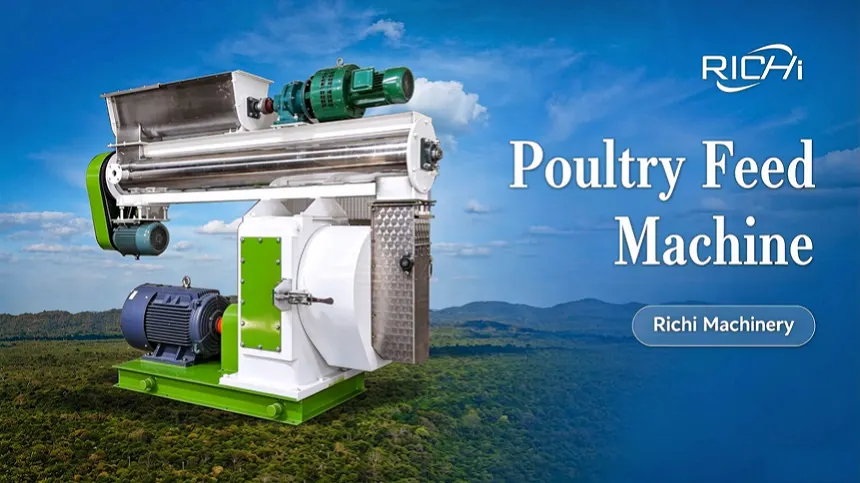
Walk into any poultry farm and you will see feed in one of three forms:…
A feed pellet machine cost baseline should connect operating expenditure with product that can actually…
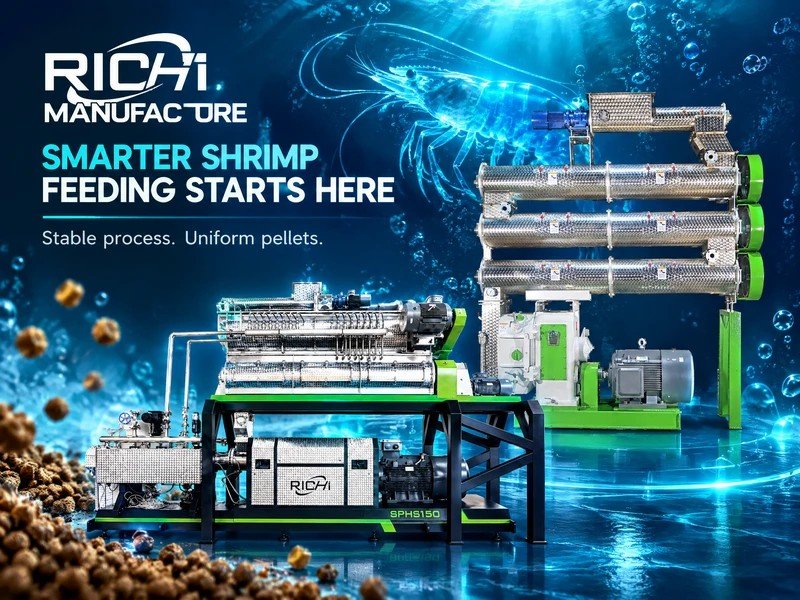
When entrepreneurs investigate the shrimp feed pellet machine market, one of the first questions is usually…
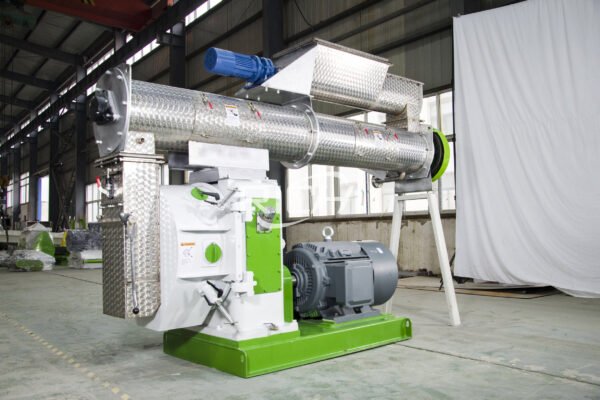
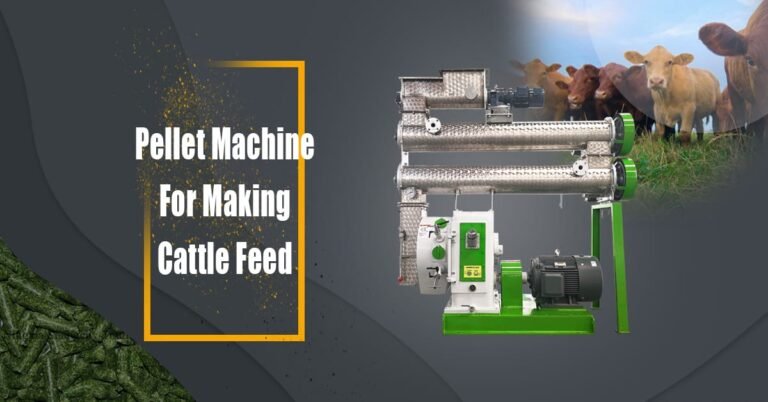
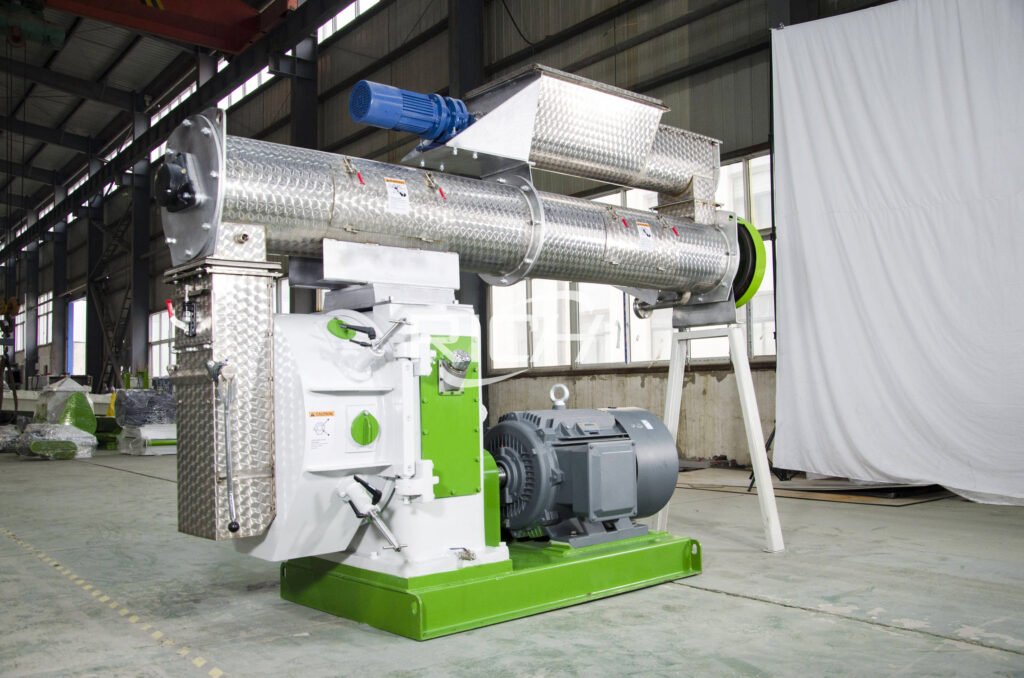
Select a animal feed pellet making machine by defining the accepted feed form and consistency required by each product and the actual condition of the intended animal-feed formulations and prepared raw materials before comparing equipment offers. The decision should connect raw material, throughput, utilities and operating conditions to measurable acceptance criteria. This guide explains the…
Walk into any poultry farm and you will see feed in one of three forms: mash, pellets, or crumbles. To a casual observer, they look like variations of the same thing. To a producer, they represent three different decisions about cost, equipment, bird performance, and labor. The choice is not cosmetic. Feed form affects how…
A feed pellet machine cost baseline should connect operating expenditure with product that can actually be released for sale. Gross press throughput is not enough. Energy consumed during interruptions, fines returned for processing, quality holds, and replacement components can change the commercial result even when the machine appears productive. Buyers need a consistent measurement boundary…
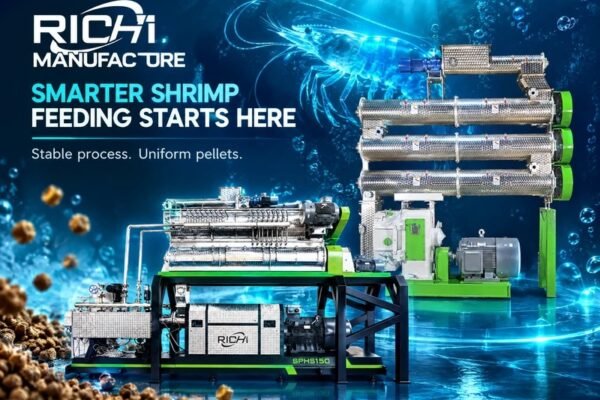
When entrepreneurs investigate the shrimp feed pellet machine market, one of the first questions is usually how much a complete production project will cost. There is no single figure that applies to every factory because feed plants differ in capacity, automation, building conditions, raw materials, product types, and equipment configuration. Understanding the main cost factors is…
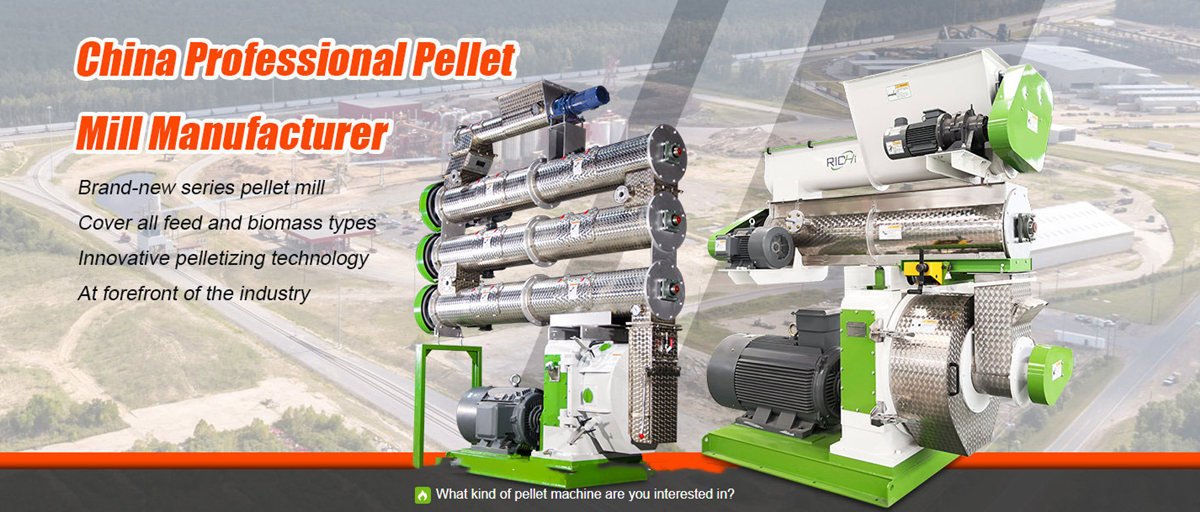
Every poultry farmer has a routine. You wake up, you check the birds, you fill the feeders. The feed goes in, the birds eat, and you move on to the next task. It is a rhythm that has been repeated for generations. But somewhere in that routine, a question often goes unasked: is the feed…
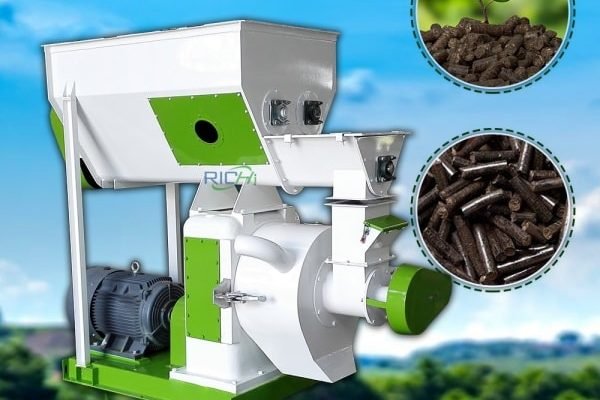
The cow dung pellet making machine price can vary considerably from one project to another. A small farm processing manure for its own fields does not need the same equipment as a commercial organic fertilizer producer. The machine price therefore should not be considered separately from the production capacity, raw material condition, and complete processing…
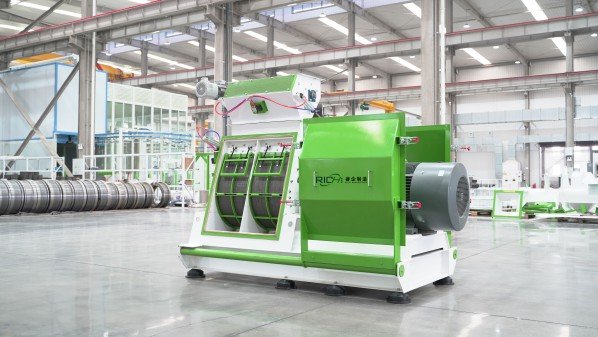
Wood residues are widely used in biomass fuel production, wood pellet manufacturing, animal bedding, composting, and other biomass processing applications. Sawdust, wood chips, branches, bark, wood shavings, forestry residues, and wood-processing waste can all become valuable raw materials when they are properly processed. However, raw wood materials are rarely ready to enter a pellet mill…
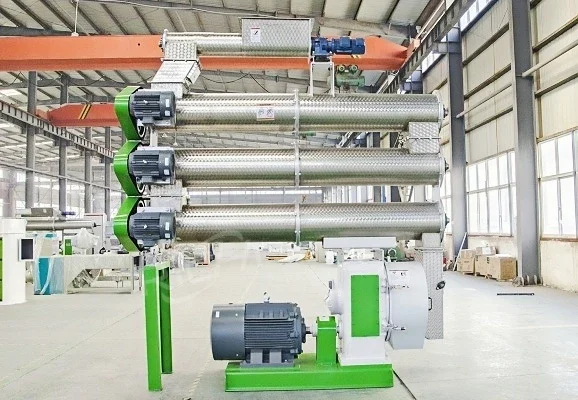
Shrimp farming has grown from a coastal side business into one of the most organized segments of global aquaculture. In countries like Ecuador, Vietnam, India, Indonesia, and Thailand, shrimp exports now support entire regional economies. But behind every container of frozen shrimp leaving a port is a feed supply chain that has to work consistently,…
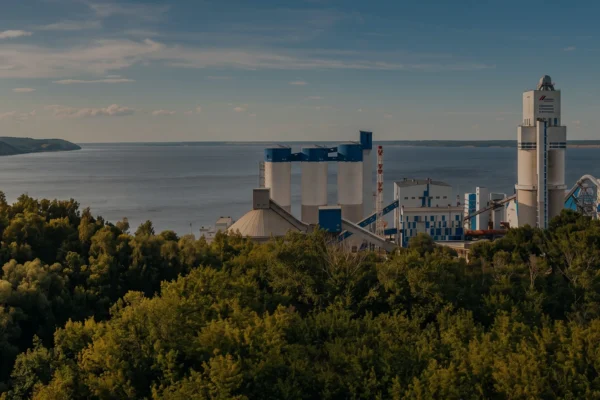
How Are Biomass Pellets Made for Renewable Energy? As countries and industries look for practical ways to reduce dependence on fossil fuels, biomass energy has attracted growing attention. Agricultural residues, forestry by-products, and other forms of organic waste can be converted into compact fuel pellets that are easier to store, transport, and use. Unlike loose…
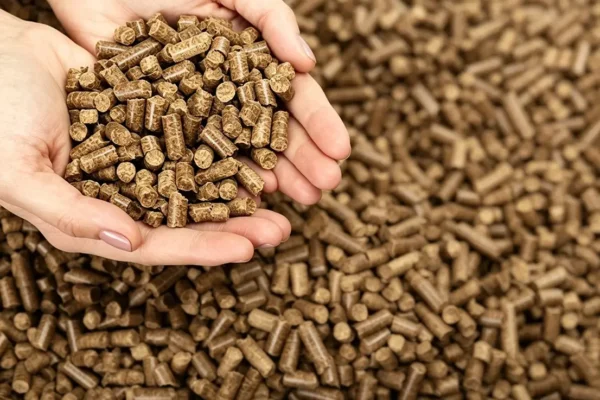
The palm oil industry generates large quantities of biomass residues during the processing of fresh fruit bunches. Among these residues, empty fruit bunches, commonly known as EFB, are one of the most significant. For palm oil mills, managing large volumes of EFB can become a major operational challenge because the material is bulky, wet, fibrous,…