


As the world faces increasing challenges related to climate change, energy security, and environmental sustainability, the search for cleaner and more renewable energy sources has become a global priority. Governments, industries, and consumers are actively seeking alternatives to fossil fuels that can reduce greenhouse gas emissions while supporting economic growth. Among the many renewable energy options available today, biomass pellets have emerged as one of the most practical and sustainable fuel choices.
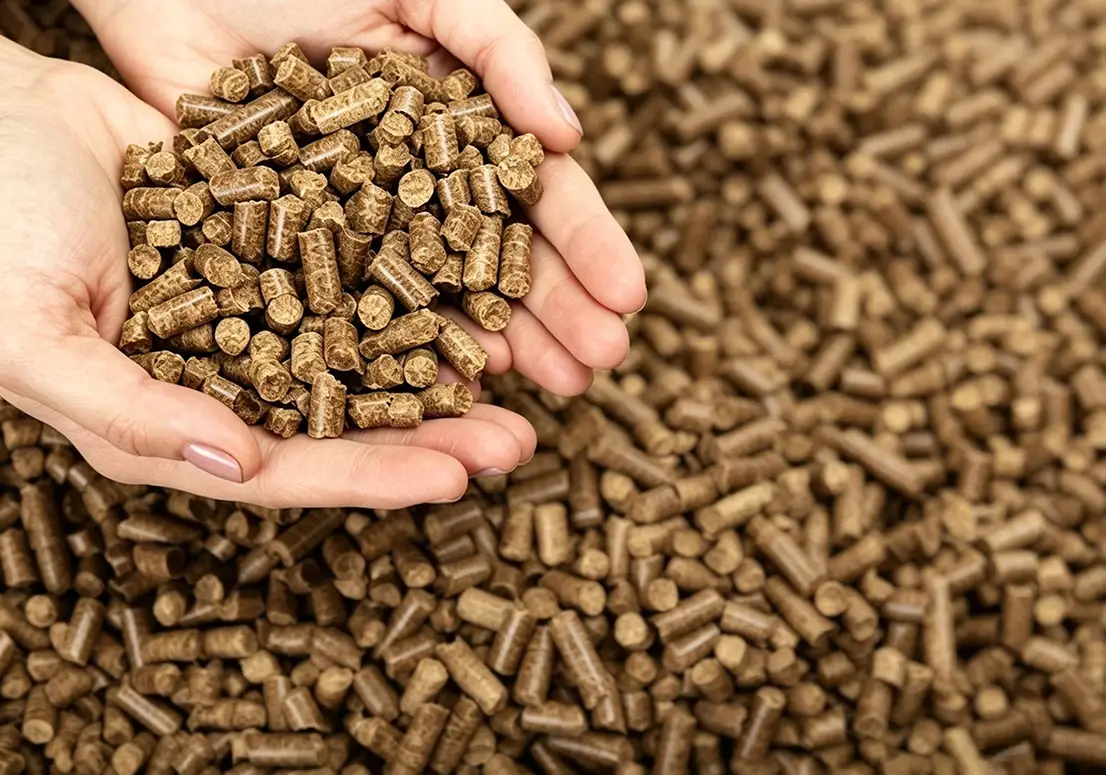
Biomass pellets are compressed fuel products made from renewable organic materials such as wood waste, agricultural residues, forestry by-products, and energy crops. These pellets offer numerous environmental, economic, and operational advantages over conventional fossil fuels. Their growing popularity is driven by their ability to transform waste materials into valuable energy resources while contributing to a more sustainable energy future.
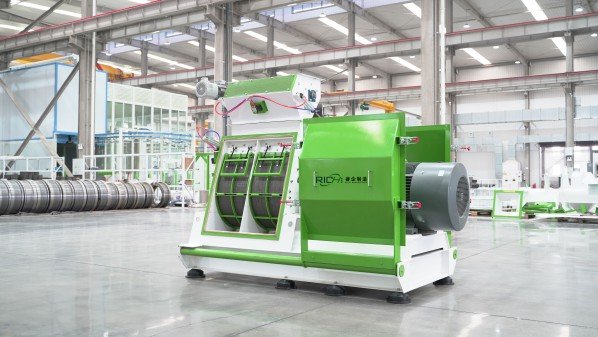
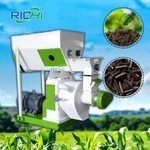
Modern production technologies, including advanced equipment such as the vertical wood pellet mill, have further improved the efficiency and quality of biomass pellet manufacturing, making biomass energy an increasingly attractive solution for global energy needs.
Understanding Biomass Pellets
Biomass pellets are small cylindrical fuel products created by compressing organic materials under high pressure. During the pelletizing process, natural lignin found in biomass acts as a binding agent, eliminating the need for chemical additives in most applications.
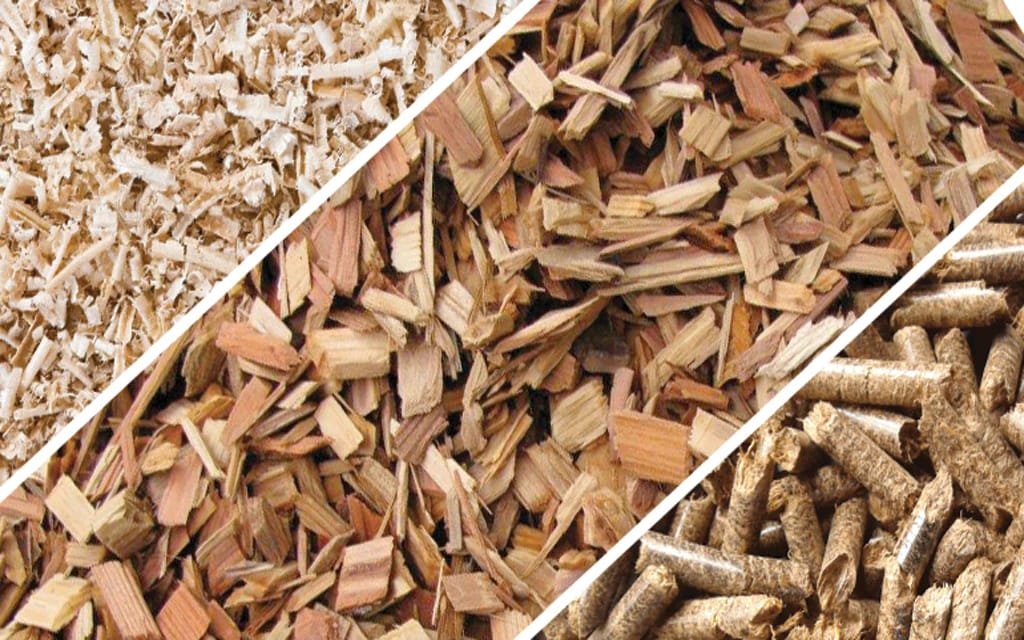
Common raw materials used for pellet production include:
- Sawdust
- Wood chips
- Wood shavings
- Agricultural straw
- Corn stalks
- Rice husks
- Sugarcane bagasse
- Palm fiber
- Forestry residues
The resulting pellets are dense, uniform, and easy to transport, store, and use.
Because they are produced from renewable biological materials, biomass pellets play an important role in sustainable energy systems.
Renewable Resource Availability
One of the primary reasons biomass pellets are considered sustainable is that they are produced from renewable resources.
Unlike fossil fuels, which require millions of years to form, biomass materials can be replenished within relatively short periods.
For example:
- Trees can be replanted and harvested sustainably.
- Agricultural crops are grown annually.
- Forestry residues are continuously generated during forest management operations.
- Agricultural by-products are produced during every harvest season.
As long as these resources are managed responsibly, biomass pellet production can continue indefinitely without depleting natural reserves.
This renewable nature makes biomass pellets a long-term energy solution.
Reducing Dependence on Fossil Fuels
The global economy has historically relied heavily on fossil fuels such as coal, oil, and natural gas.
However, fossil fuel consumption contributes to:
- Greenhouse gas emissions
- Air pollution
- Resource depletion
- Energy supply vulnerabilities
Biomass pellets offer an alternative energy source that can partially replace fossil fuels in many applications.
They are widely used in:
- Residential heating systems
- Industrial boilers
- Commercial heating facilities
- Biomass power plants
- Combined heat and power systems
By substituting biomass pellets for fossil fuels, users can reduce their environmental impact while supporting renewable energy development.
Supporting Carbon Neutrality Goals
One of the most significant sustainability advantages of biomass pellets is their contribution to carbon management.
Plants absorb carbon dioxide from the atmosphere during growth through photosynthesis.
When biomass pellets are burned, carbon dioxide is released back into the atmosphere. However, this carbon was recently absorbed by the plants used to produce the biomass.
In contrast, fossil fuels release carbon that has been stored underground for millions of years.
When sourced responsibly, biomass pellets can help create a more balanced carbon cycle and support national and international carbon reduction strategies.
This characteristic makes biomass pellets an important component of many climate action plans.
Utilizing Waste Materials Effectively
Every year, industries and agricultural operations generate enormous quantities of organic waste materials.
Examples include:
- Sawdust from sawmills
- Wood shavings from furniture factories
- Crop residues from farms
- Forestry waste from logging operations
- Agricultural processing by-products
Without proper utilization, these materials may be burned, landfilled, or left to decompose.
Biomass pellet production transforms these by-products into valuable fuel resources.
This process helps:
- Reduce waste disposal problems
- Improve resource efficiency
- Generate renewable energy
- Create additional economic value
Converting waste into fuel is a key principle of sustainable resource management.
Supporting Circular Economy Principles
The circular economy focuses on maximizing resource utilization while minimizing waste generation.
Biomass pellets align closely with these principles because they convert residual materials into useful products.
Instead of treating organic by-products as waste, pelletizing creates opportunities for:
- Resource recovery
- Waste reduction
- Renewable energy generation
- Sustainable economic development
This circular approach helps industries improve environmental performance while creating additional revenue streams.
As governments increasingly promote circular economy initiatives, biomass pellets continue to gain importance.
Lower Greenhouse Gas Emissions
Greenhouse gas reduction is one of the most important reasons biomass pellets are considered sustainable.
Compared with coal and other fossil fuels, biomass energy systems often produce lower net greenhouse gas emissions when feedstocks are sourced responsibly.
Biomass pellets can help reduce emissions by:
- Replacing fossil fuels
- Preventing open burning of agricultural waste
- Reducing methane emissions from decomposition
- Supporting renewable energy production
Many countries include biomass energy within their climate strategies because of its potential to contribute to emission reduction targets.
Sustainable Forest Management
Wood-based biomass pellets are often produced from forestry residues and wood processing by-products.
Responsible forestry practices ensure that biomass production remains sustainable.
Sustainable forest management includes:
- Reforestation programs
- Selective harvesting
- Biodiversity protection
- Soil conservation
- Long-term resource planning
Modern pellet manufacturers increasingly source raw materials from certified forests to ensure environmental responsibility.
The use of equipment such as a vertical wood pellet mill allows producers to efficiently process forestry residues into valuable renewable fuel.
https://pelletisingmachine.com/vertical-pellet-mill
High Energy Density
Biomass pellets possess significantly higher energy density than raw biomass materials.
Pelletizing compresses loose organic materials into dense fuel products.
Benefits of higher energy density include:
- Reduced transportation costs
- Improved storage efficiency
- Easier handling
- Consistent fuel performance
Higher density makes biomass pellets more practical and economically viable than untreated biomass resources.
These advantages contribute to the overall sustainability of biomass energy systems.
Improved Combustion Efficiency
Biomass pellets are manufactured to standardized dimensions and moisture levels.
This consistency improves combustion efficiency compared with raw biomass.
Advantages include:
- More complete combustion
- Higher heat output
- Lower emissions
- Better fuel utilization
Efficient combustion helps maximize energy recovery while minimizing environmental impacts.
Modern pellet appliances are specifically designed to optimize pellet fuel performance.
Reducing Air Pollution
Open burning of agricultural residues remains a major environmental issue in many regions.
This practice releases harmful pollutants such as:
- Particulate matter
- Carbon monoxide
- Nitrogen oxides
- Volatile organic compounds
By converting agricultural waste into biomass pellets, these materials can be used in controlled combustion systems with significantly lower emissions.
This helps improve air quality and reduces health risks associated with uncontrolled burning.
Enhancing Energy Security
Many countries rely heavily on imported fossil fuels to meet their energy needs.
This dependence can create vulnerabilities related to:
- Price fluctuations
- Supply disruptions
- Geopolitical instability
Biomass pellets can often be produced using locally available resources.
Domestic biomass production supports:
- Energy independence
- Local economic development
- Stable energy supplies
- Reduced import dependence
Greater energy security is an important sustainability benefit for both developed and developing nations.
Economic Benefits for Rural Communities
Biomass pellet production creates economic opportunities in rural areas where many biomass resources originate.
Benefits include:
- Job creation
- Additional farm income
- Increased demand for agricultural residues
- Rural industrial development
Farmers can earn revenue by selling crop residues that would otherwise have limited economic value.
These economic benefits support community development while encouraging sustainable resource utilization.
The Role of Advanced Pelletizing Technology
Technology plays a critical role in making biomass pellet production more sustainable and efficient.
Modern equipment helps manufacturers:
- Improve pellet quality
- Increase production capacity
- Reduce energy consumption
- Minimize material losses
One example is the vertical wood pellet mill, which has become increasingly popular in commercial pellet production facilities.
(Related machine: efficient wood pellet mill)
Advantages of the Vertical Wood Pellet Mill
The vertical wood pellet mill offers several benefits:
- Efficient material feeding
- Stable operation
- High pellet density
- Reduced equipment wear
- Improved production efficiency
Its design allows producers to process wood residues and other biomass materials effectively while maintaining consistent pellet quality.
These operational advantages contribute to the sustainability and profitability of biomass pellet production.
Compatibility with Existing Energy Systems
Another reason biomass pellets are a sustainable fuel choice is their compatibility with existing energy infrastructure.
Biomass pellets can be used in:
- Dedicated pellet stoves
- Biomass boilers
- Industrial heating systems
- Combined heat and power plants
Some power plants can also co-fire biomass with coal, reducing fossil fuel consumption without requiring complete infrastructure replacement.
This flexibility facilitates the transition toward cleaner energy systems.
Supporting Renewable Energy Targets
Many countries have established renewable energy goals aimed at reducing carbon emissions and increasing energy sustainability.
Biomass pellets contribute to these objectives by providing:
- Reliable renewable fuel
- Dispatchable energy generation
- Complementary support for wind and solar power
Unlike some renewable sources, biomass energy can be stored and used when needed, making it an important component of balanced energy systems.
Long-Term Market Growth
Global demand for biomass pellets continues to increase.
Several factors support future growth:
- Carbon reduction commitments
- Renewable energy policies
- Industrial decarbonization efforts
- Expanding biomass heating markets
- Increased investment in sustainable energy
This growth encourages continued innovation and investment throughout the biomass industry.
As production technologies improve, biomass pellets are expected to play an even larger role in global energy systems. (find here)
Future Sustainability Improvements
The biomass sector continues to evolve through technological innovation and sustainability initiatives.
Future developments may include:
- Improved feedstock utilization
- Advanced drying technologies
- Smart process automation
- Enhanced pellet durability
- Lower-emission combustion systems
Modern equipment, including the vertical wood pellet mill, will continue to support these improvements by increasing efficiency and reducing production costs.
These advancements will strengthen the environmental and economic benefits of biomass energy.
Conclusion
Biomass pellets have become a sustainable fuel choice because they combine renewable resource utilization, waste reduction, lower greenhouse gas emissions, and economic development opportunities. By transforming agricultural residues, forestry by-products, and wood waste into high-density fuel, biomass pellets help address some of the most pressing environmental and energy challenges facing the world today.
Their ability to support carbon reduction goals, improve energy security, and promote circular economy principles makes them an increasingly valuable component of modern renewable energy systems. Furthermore, advanced manufacturing technologies such as the vertical wood pellet mill have enhanced production efficiency and pellet quality, making biomass energy more accessible and economically viable.
As global demand for sustainable energy continues to grow, biomass pellets are likely to remain an essential renewable fuel solution, helping industries, communities, and governments move toward a cleaner, more resilient, and environmentally responsible energy future.