

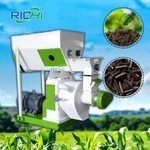

If you’ve ever watched rabbits eat, you know they’re particular. They’ll nudge through the feed, pick out the pieces they like, and leave the rest. They’re not trying to be difficult—they’re just being rabbits. Selective feeding is part of their nature, and it’s one of the reasons that pelleted feed works so well for them.
But not all pellets are the same. A pellet that works for a chicken or a pig may not work for a rabbit. The size, the hardness, the fiber content, and the binding characteristics all matter. Rabbits have specific requirements, and their feed needs to be processed with those requirements in mind.
The digestive system of a rabbit is different from other livestock. They require a high-fiber diet to maintain gut motility. The fiber must be present in the right form and particle size. The pelleting process changes the physical characteristics of the feed, and those changes affect how the rabbit digests it.
The Rabbit Digestive System
Rabbits are hindgut fermenters. Unlike ruminants, which ferment feed in a multi-chambered stomach before it reaches the small intestine, rabbits ferment feed in the cecum, which is located at the junction of the small and large intestines.
The cecum contains a population of microorganisms that break down fiber. These microorganisms produce volatile fatty acids that serve as an energy source. They also produce microbial protein that the rabbit can absorb—but only if the rabbit practices cecotrophy, which is the consumption of the soft fecal pellets produced in the cecum.
The fiber in the diet must be of the right type and particle size. Long fiber particles stimulate gut motility and prevent the formation of hairballs. Short fiber particles are fermented more readily and provide energy.
If the fiber content is too low, the rabbit’s gut motility slows down. This can lead to digestive stasis, a condition where the digestive system stops moving. Digestive stasis is a common cause of mortality in rabbits. If the fiber content is too high, the rabbit may not get enough energy to support production.
The pelleting process affects the fiber in the feed. The grinding step reduces the particle size of the fiber. The compression and heat of pelleting can soften the fiber particles. The binding process can make the fiber less able to provide physical stimulation.
The Pelleting Process
The production of rabbit pellets starts with ingredient selection. The diet must contain sufficient fiber, typically 12% to 15% crude fiber for adult rabbits. The fiber comes from forage sources such as alfalfa meal, grass hay, or other plant materials.
The ingredients are ground to a consistent particle size. For rabbits, the particle size should be consistent but not too fine. Very fine particles reduce the effectiveness of the fiber in stimulating gut motility.
The ground ingredients are mixed with the other components—protein meal, fats, minerals, and vitamins. The mixing must be thorough to ensure that each pellet contains the correct balance of nutrients.
The mixed material is conditioned with steam. The conditioning softens the fibers and activates the natural binders. The temperature and moisture must be controlled to achieve the right balance between pellet durability and digestibility.
The conditioned material is compressed through a die to form the pellets. A rabbit pellet maker must be configured for the specific requirements of rabbit feed. The die hole diameter determines the pellet size. For rabbits, the pellet size is typically 3 to 5 millimeters.
The pellets emerge from the die at high temperature and are then cooled. The cooling hardens the pellets and reduces the moisture content. The cooled pellets are screened to remove fines, which are returned to the process.
The Equipment Scale
The scale of equipment varies with the production requirements. For a small rabbitry, a compact machine with lower throughput may be adequate. These machines are affordable and can be operated by a single person.
For larger operations, the scale increases. An industrial feed pellet machine for sale can handle several tons per hour, providing the throughput needed for commercial production.
The industrial feed pellet machine for sale is built for continuous operation. The components are heavy-duty, with wear-resistant materials used in the die, rollers, and other critical parts. The motor is sized for the load, and the control system includes automation to maintain consistency.
The die is the key component. For rabbit feed, the die must have the correct hole diameter and compression ratio. The die must be made from wear-resistant material to withstand the abrasive nature of the fiber.
The rollers press the material through the die. The gap between the rollers and the die must be precisely set. The bearings must be sealed against contamination from the feed particles.
The Pellet Mill in Production
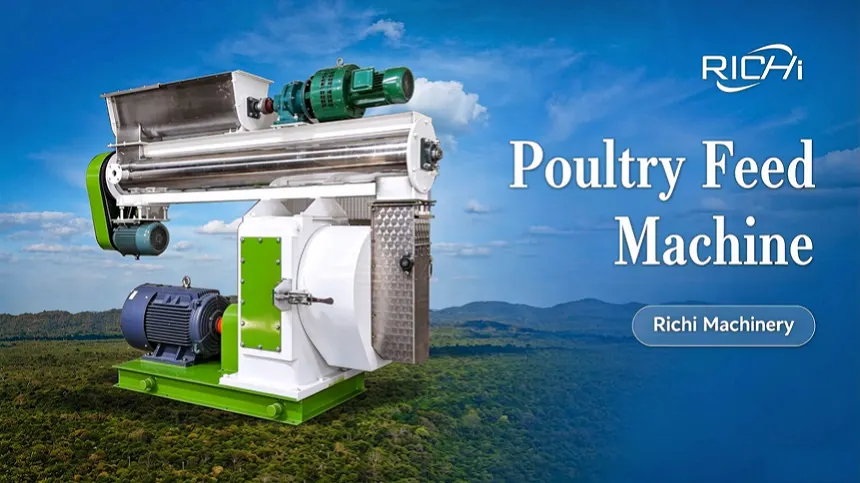
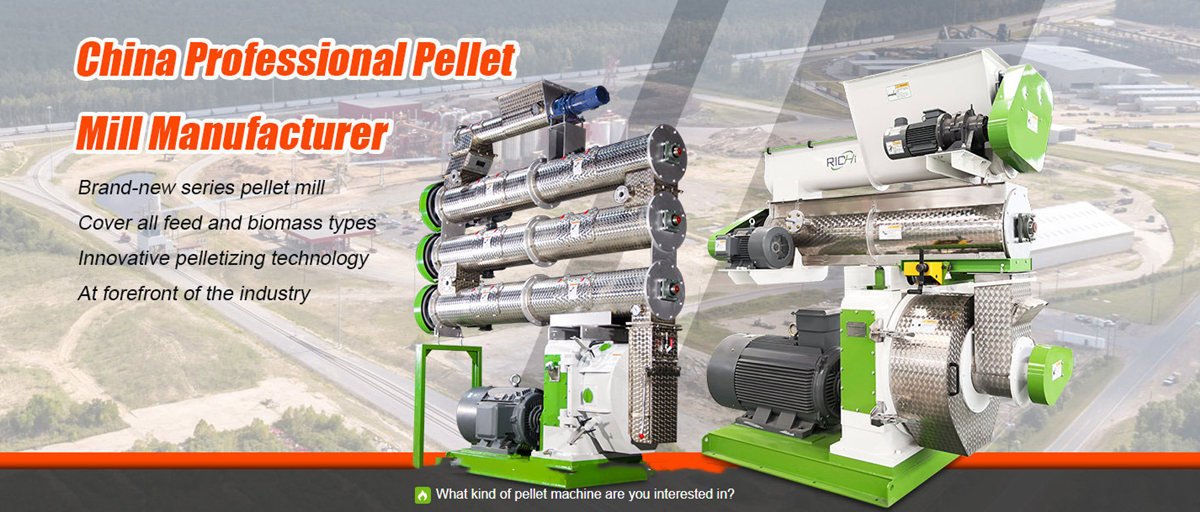
The pellet mill performs the compression step that transforms the conditioned mash into finished pellets. The pellet mill must be matched to the material characteristics and the production requirements.
The pellet mill operates by forcing the conditioned material through a die. The material is pressed through the holes by rollers that rotate inside the die ring. The friction generates heat, which melts the natural binders and holds the pellets together.
The die selection is critical for rabbit pellets. The hole diameter affects the pellet size and the durability. The compression ratio affects the density of the pellets. A die that’s too tight will produce hard pellets that rabbits may not eat. A die that’s too loose will produce soft pellets that crumble during handling.
The roller adjustment affects the pellet quality. The gap between the rollers and the die must be set to achieve the correct compression. If the gap is too large, the pellets will be weak. If the gap is too small, the machine will struggle to feed.
The conditioning system prepares the material for pelleting. The steam and moisture soften the fibers and activate the binders. The conditioning temperature and duration affect the pellet quality.
Quality Considerations
The quality of rabbit pellets is measured by several criteria. Pellet durability is important—the pellets must withstand handling without breaking. The fines content should be low. The hardness should be moderate—firm enough to hold together but soft enough for the rabbit to chew.
The fiber content should be verified through testing. The crude fiber level should be within the target range. The physical effectiveness of the fiber—the ability to stimulate gut motility—should be considered in the formulation.
The moisture content of the finished pellets should be in the range of 10% to 12%. Higher moisture can lead to mold growth during storage. Lower moisture can make the pellets brittle.
The palatability of the pellets should be assessed. Rabbits will refuse feed that doesn’t meet their preferences. The taste, texture, and smell of the pellets affect intake.
The Role of the Manufacturer
The manufacturer of the equipment plays a role in the success of the operation. A manufacturer with experience in rabbit feed production understands the specific requirements of the material and the process.
Richi Machinery has over 30 years of experience in the feed pellet equipment sector. The company has completed thousands of installations across various species and applications. The experience with different feed materials and production conditions informs the equipment design and support.
The equipment from Richi Machinery includes features that support consistent production. The SZLH series machines include variable-frequency feeders and differential-speed modulators for smoother operation. The core components include wear-resistant alloy steel ring dies and high-precision gear transmission systems.
The support includes design, manufacturing, testing, installation, and after-sales support. Each unit is test-run before leaving the factory. The availability of genuine spare parts and technical support contributes to the long-term reliability of the equipment.
The Economics
The economics of rabbit feed production depend on several factors. The volume of feed required, the cost of purchased feed, the capital cost of the equipment, and the operating costs all factor into the calculation.
For a rabbitry producing significant feed volume, the savings from on-site production can be substantial. The cost of ingredients is lower than the cost of purchased feed. The savings per ton can range from 15% to 25%.
The equipment investment must be weighed against the expected savings. The payback period depends on the volume and the savings per ton. For many operations, the equipment pays for itself within two to three years.
The operating costs include electricity, labor, and maintenance. The electricity consumption depends on the capacity and the efficiency of the equipment. The labor cost depends on the level of automation. The maintenance cost depends on the quality of the equipment and the operating conditions.
The Practical Path
For rabbit producers considering on-site feed production, the equipment is available at different scales. A small machine can be installed for a modest investment. A larger machine can provide the throughput for commercial production.
The formulation should be developed with the help of a nutritionist familiar with rabbit requirements. The fiber content, protein level, and mineral balance must be appropriate for the production stage of the animals.
The quality control program should include testing of the finished feed. The moisture content, durability, and nutrient composition should be verified regularly.
The operation of the equipment requires attention to the processing parameters. The conditioning temperature, the die selection, and the roller adjustment all affect the pellet quality. Training and support from the equipment manufacturer can help operators achieve consistent results.
The Takeaway
Rabbits have unique feeding requirements. The pelleted feed must be formulated and processed to meet those requirements. The size, hardness, fiber content, and durability of the pellets all affect how the rabbits consume and utilize the feed.
The equipment for producing rabbit pellets is available at different scales. The selection of the right equipment, the proper configuration of the die and conditioning system, and the quality control program all contribute to consistent production. For rabbit producers looking to improve feed efficiency and reduce costs, on-site feed production offers a practical path.
View more:https://pelletizerextruder.com/pig-feed-pellet-machine/