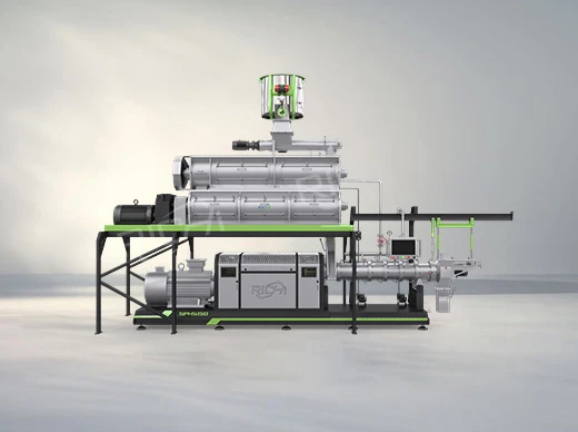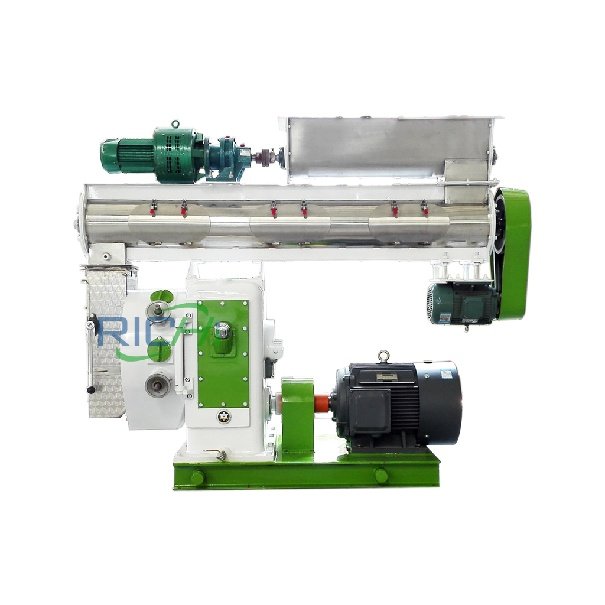
The cow dung pellet making machine price can vary considerably from one project to another. A small farm processing manure for its own fields does not need the same equipment as a commercial organic fertilizer producer.
The machine price therefore should not be considered separately from the production capacity, raw material condition, and complete processing requirements. A lower-priced machine may not necessarily provide the lowest total project cost if additional equipment is required later.
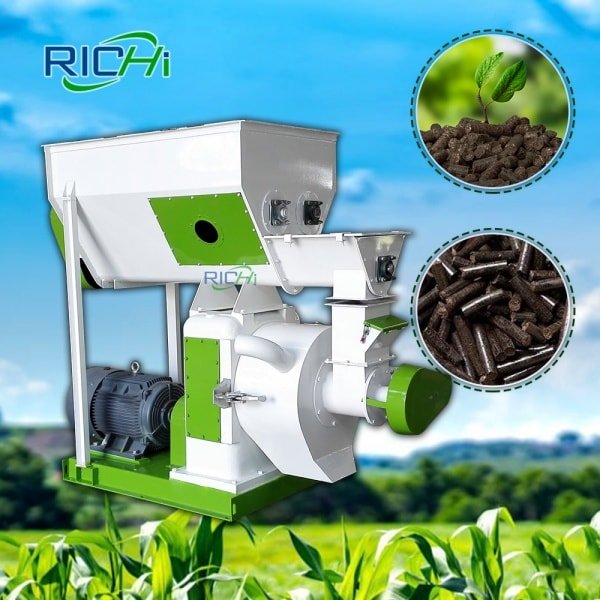
What Determines the Equipment Price?
The first major factor is production capacity.
A compact fertilizer pellet machine designed for a small farm requires less material-handling capacity than a continuous industrial system. Larger equipment normally requires higher motor power, stronger components, and larger auxiliary systems.
The second factor is raw material preparation.
Cow dung often requires fermentation, crushing, moisture adjustment, and mixing before pelletizing. If the material arrives in a condition that requires intensive preparation, the complete project investment will increase.
The third factor is the desired level of automation.
A basic system may use manual feeding and packing, while a commercial plant can integrate automatic feeding, conveyors, weighing, centralized controls, and automatic packaging.
Single Machine vs. Complete Production Line
One of the most important questions when comparing quotations is what the quoted price actually includes.
A standalone pellet machine may be suitable for a buyer who already has equipment for manure preparation and pellet handling.
A complete organic fertilizer project may include:
- Manure crushing
- Organic material mixing
- Pelletizing
- Drying
- Cooling
- Screening
- Conveying
- Packing
- Electrical control
These additional machines can make a major difference to the total investment.
For example, a farm with relatively dry and well-prepared composted manure may need a simpler system. A project handling wet fresh manure will usually require more preparation and drying capacity.
Does Capacity Always Mean Higher Value?
Not necessarily.
A larger machine may produce more fertilizer per hour, but it also requires a larger raw material supply. If a small farm cannot continuously provide enough manure, a high-capacity machine may remain underutilized.
Capacity should therefore be calculated from the actual daily manure supply.
A useful approach is to estimate:
Daily manure available ÷ planned operating hours = approximate hourly processing requirement.
The final equipment should then provide enough capacity to handle normal production while leaving a reasonable operating margin.
Drying Can Affect the Investment
Drying is often an important part of manure fertilizer production.
If the material contains excessive moisture, a dryer may be necessary before or after pelletizing, depending on the selected process.
A drying system can include a rotary dryer, hot-air system, furnace, conveyors, and related controls. This can add considerably to the overall project cost.
However, not every project needs the same drying configuration. Raw material testing can determine whether the manure requires intensive drying or only limited moisture adjustment.
Compare Similar Equipment Carefully
Buyers should also compare the machine’s intended application.
For example, a straw pellet mill price and capacity quotation may look attractive when comparing agricultural biomass equipment, but straw and cow dung have very different physical properties. The preparation equipment, moisture requirements, and pelletizing process may therefore be completely different.
Comparing only the headline machine price can lead to an inaccurate investment calculation.
Automation and Labor Costs
Automation is another factor that affects the initial quotation.
A manual system generally requires more labor but can reduce the initial equipment investment. An automated system costs more initially but can reduce manual handling and improve production consistency.
For a small farm, manual bagging may be perfectly practical. For a commercial fertilizer manufacturer operating multiple shifts, automatic packing and conveying can provide a much better long-term solution.
The best choice depends on local labor costs and the expected production volume.
What Should Be Included in a Quotation?
Before accepting a quotation, buyers should ask for a detailed equipment list.
The quotation should clearly indicate:
- Machine model and production capacity
- Motor power
- Required raw material condition
- Pellet diameter
- Auxiliary equipment
- Electrical control system
- Spare parts
- Installation and commissioning service
- Warranty and technical support
This makes it much easier to compare different suppliers on an equal basis.
Estimating the Total Project Investment
There is no single price that applies to every cow dung fertilizer project. A complete quotation should be based on the customer’s raw material, production target, workshop conditions, and desired automation level.
RICHI can design configurations ranging from compact farm-scale equipment to complete organic fertilizer production plants.
For buyers who are still comparing options, a pellet production line can be designed around the actual manure supply rather than simply selecting equipment according to the largest available capacity.
The most cost-effective project is not necessarily the one with the cheapest machine. It is the one that provides the required output with a suitable combination of preparation, pelletizing, drying, cooling, and packaging equipment. Learn more about organic fertilizer pelletizing solutions before requesting a detailed quotation.
Related Post: https://pelletizerequipment.com/rdf-pellet-mill/