
Building a commercial feed production facility involves many decisions, but choosing the equipment manufacturer is one of the most important. The supplier affects not only the initial machine purchase but also equipment configuration, production performance, installation, commissioning, spare parts, and technical support.
A qualified animal feed pellet machine manufacturer should understand the entire production process rather than focusing only on the pellet mill. This is particularly important for customers planning a commercial livestock feed project where several machines must operate together.
Experience With Different Feed Applications
Animal feed production covers many applications. Poultry, pigs, cattle, sheep, horses, rabbits, and other animals may require different formulations and pellet characteristics. A manufacturer that has experience across multiple feed categories can better understand how raw materials influence the production process.
Livestock feed can contain grain ingredients as well as forage and other fibrous materials. The feeding and conditioning system may therefore need to be adapted to the material.
For a commercial project, buyers should ask whether the supplier has experience with similar feed formulas and production capacities. Previous project experience can provide useful information about machine selection and plant configuration.
Evaluating Commercial Capacity
A commercial livestock feed pellet mill must be able to operate consistently under the planned production conditions. Capacity should not be considered only as a number shown on a specification sheet.
The real production requirement depends on raw material preparation, moisture, formula, pellet diameter, machine configuration, and operating schedule. The upstream grinder and mixer must provide enough material, while downstream cooling and screening equipment must handle the pellet output.
This is why commercial feed mills are usually designed as coordinated systems. If the pellet mill produces more material than the cooler can process, production will quickly become constrained.
The Importance of Conditioning
Conditioning is an important stage between feeding and pelletizing. Steam can be introduced to heat and moisten the feed mixture, helping prepare the material for compression.
The conditioner should be matched to the pellet mill and feed formula. Proper conditioning can improve pellet formation and reduce problems associated with poorly prepared mash. However, steam pressure, moisture, retention time, and formula composition must be managed according to actual production conditions.
Machine Construction and Components
Equipment construction should also be examined. A commercial machine is exposed to continuous mechanical loads, so the quality of major components can influence reliability.
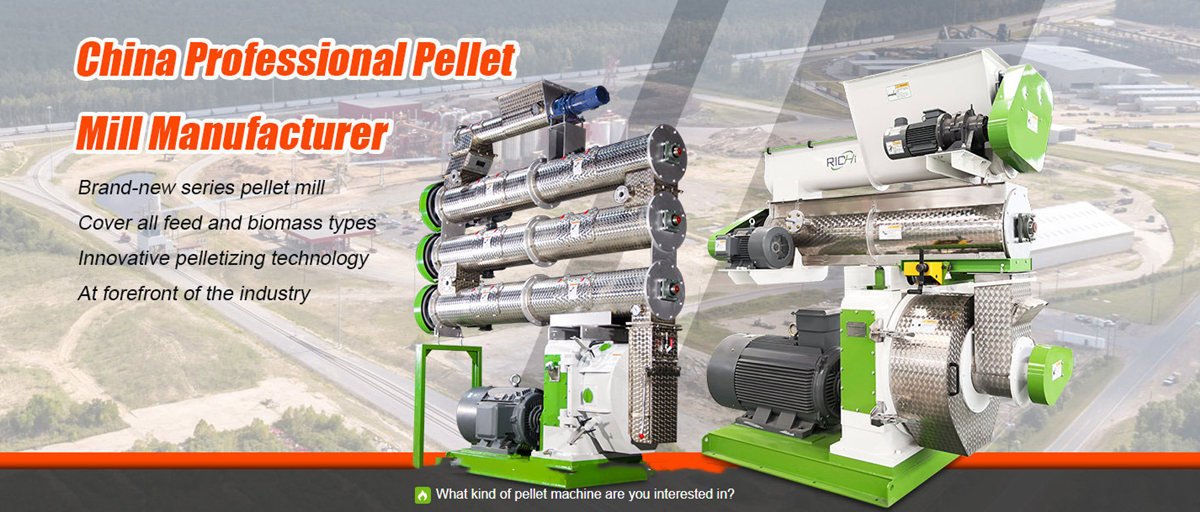
The transmission system, bearings, ring die, rollers, feeder, conditioner, and safety components all deserve attention. A variable-frequency feeder can help control material flow, while suitable safety devices can protect the machine during abnormal operating conditions.
The materials used in feed-contact areas are also important because the production environment needs to remain clean and suitable for feed processing.
Complete Production Support
A manufacturer should ideally provide more than the main pellet mill. A complete feed process can include raw material receiving, crushing, mixing, conditioning, pelleting, cooling, screening, crumbling where required, and packing.
This does not mean every project needs every machine. Instead, the equipment should be configured around the customer’s formula and production objective.
When comparing manufacturers, buyers can see post information about equipment models and project solutions to understand how individual machines fit into a complete production process.
Technical Service Matters
Technical support becomes especially important during installation and commissioning. Even high-quality equipment needs correct installation, adjustment, and operating procedures.
A manufacturer with engineering capabilities can help customers develop a process layout and select equipment according to the planned output. Installation guidance can also reduce the time needed to bring a new plant into normal production.
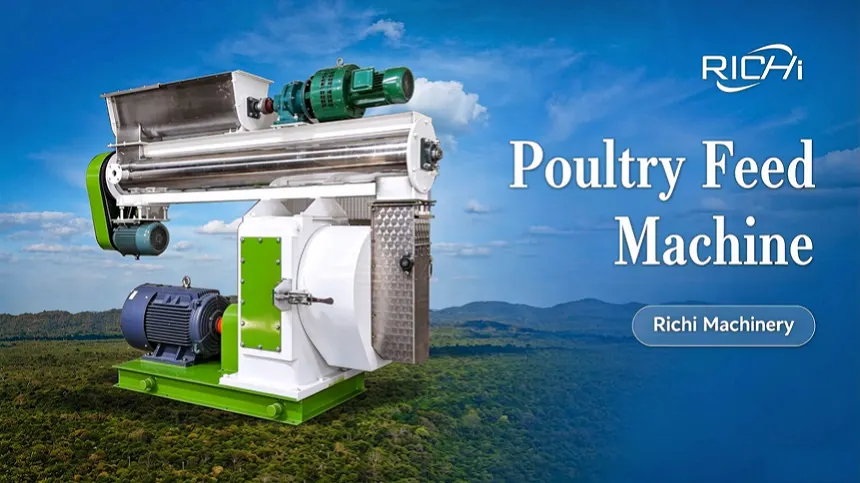
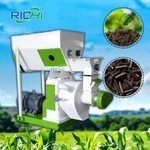
Richi Pellet Mill equipment is designed for animal feed and livestock feed applications, with supporting machinery available for complete production systems. Project services can include equipment selection, solution design, installation, commissioning, and after-sales technical support.
Thinking Beyond the Initial Purchase
The relationship with the equipment supplier should not end when the machine leaves the factory. Long-term production requires spare parts, maintenance guidance, troubleshooting, and technical assistance.
A reliable supplier should be able to explain recommended maintenance intervals and provide information about wear components. This can help operators plan maintenance instead of waiting for unexpected breakdowns.
Choosing a feed equipment manufacturer is therefore a strategic decision. Capacity, machine construction, process knowledge, engineering support, previous project experience, and after-sales service should all be considered together.
For a commercial feed business, the right supplier can help turn individual machines into a coordinated production system that delivers stable output, consistent pellet quality, and a practical foundation for future expansion.
view details: https://www.richimanufacture.com/animal-feed-pellet-machine-for-sale/