When entrepreneurs investigate the shrimp feed pellet machine market, one of the first questions is usually how much a complete production project will cost. There is no single figure that applies to every factory because feed plants differ in capacity, automation, building conditions, raw materials, product types, and equipment configuration.
Understanding the main cost factors is more useful than focusing on one machine quotation.
Equipment Is Only Part of the Investment
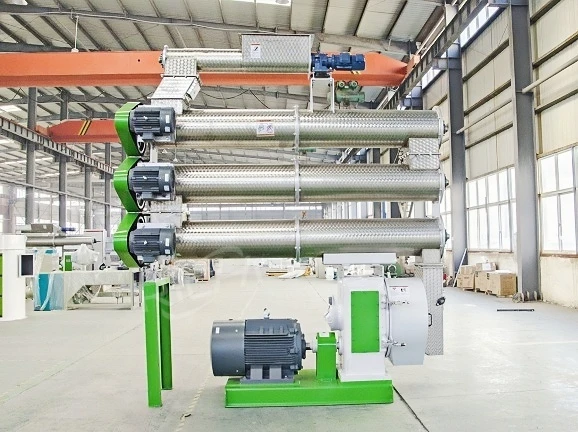
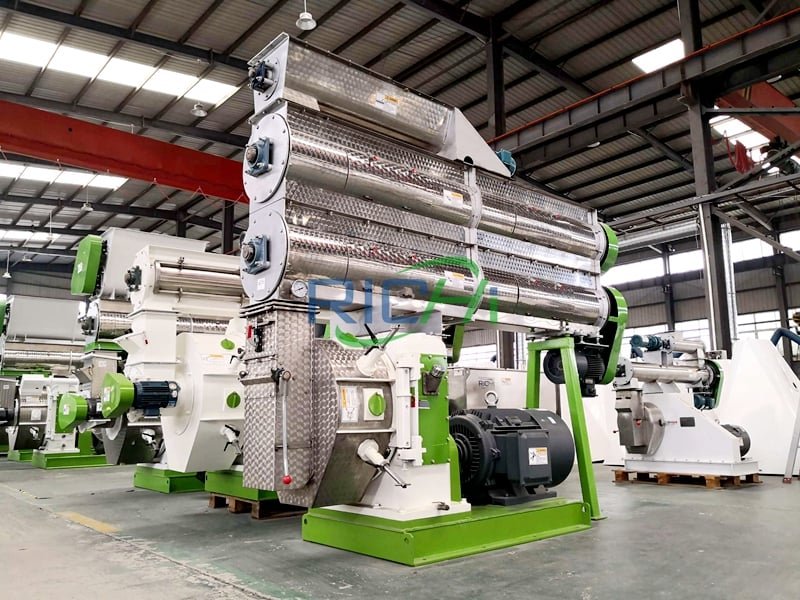
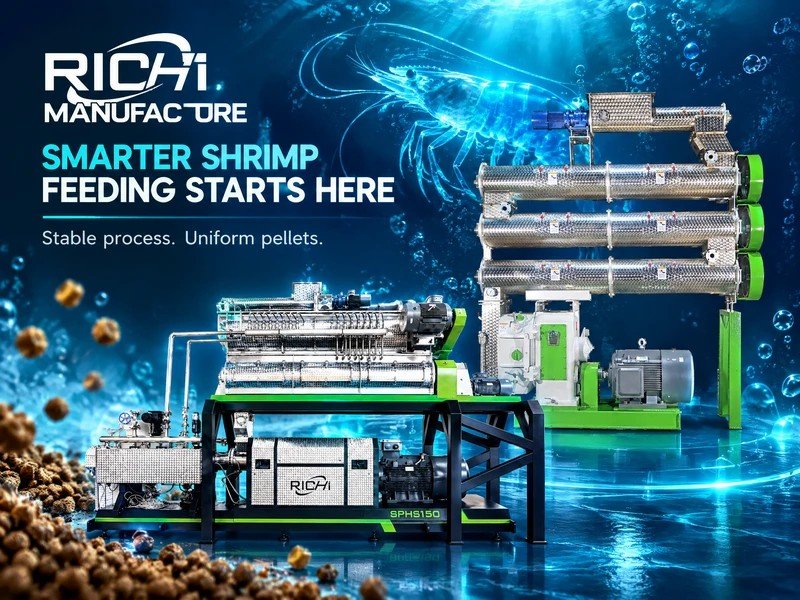
The production line itself may include grinding equipment, batching systems, mixers, conditioners, pellet mills, cooling systems, screens, conveyors, elevators, packaging machines, dust-control equipment, and electrical controls. A small project may use a relatively simple arrangement, while a larger commercial factory may require more extensive automation and material handling.
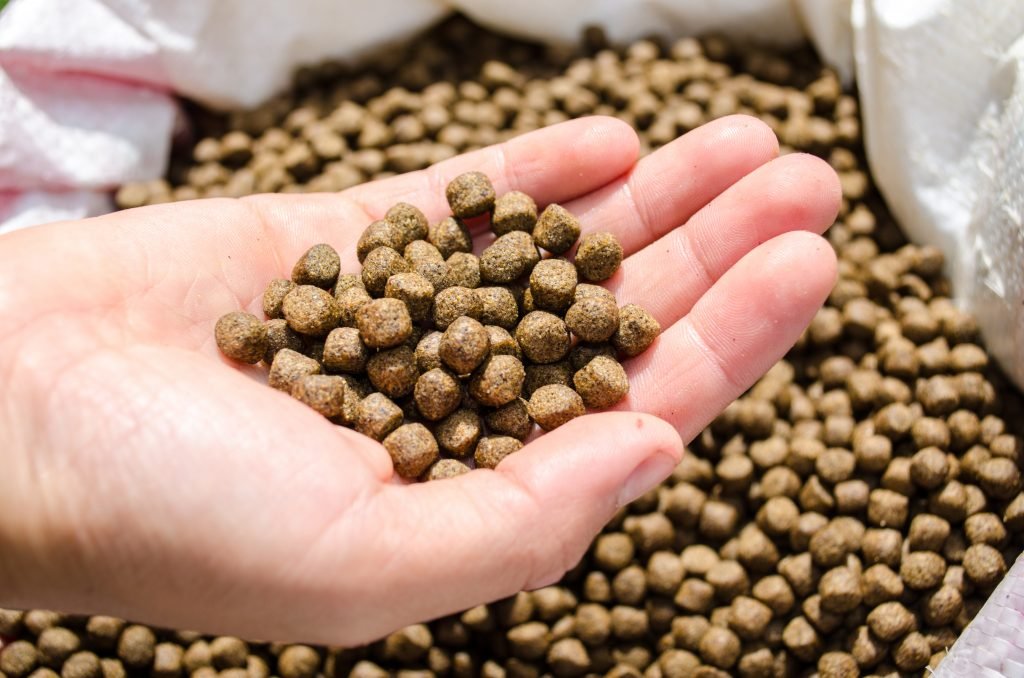
The choice of production technology also influences the investment. A producer focused on sinking shrimp pellets may have different requirements from a factory that wants to manufacture several types of fish feed, floating feed, slow-sinking feed, and shrimp products.
Capacity Changes the Configuration
A higher planned output usually requires greater processing capacity throughout the line. It may also require larger storage, stronger conveying systems, larger cooling and screening equipment, and more sophisticated automation.
For a company evaluating fish feed mill plant cost, it is therefore important to compare complete configurations rather than comparing the price of individual pellet mills alone. A pellet machine with a certain rated output does not automatically determine the capacity of the entire factory.
Raw Materials and Formula Matter
Feed formulas influence the grinding and mixing process. Ingredients such as fish meal, soybean meal, grains, oils, additives, and other nutritional components may have different physical properties. The processing system must be able to handle these materials consistently.
Fine grinding can be particularly important for shrimp feed. Smaller particles can improve the surface and structural quality of small pellets, while appropriate mixing helps distribute ingredients throughout the batch.
If the formula changes significantly in the future, additional processing flexibility may become valuable. A slightly more adaptable configuration at the beginning can sometimes reduce the need for major modifications later.
Factory Conditions Affect Project Cost
The existing building is another major factor. A project using an existing suitable workshop may have different construction requirements from a completely new factory. Floor height, foundation conditions, electrical supply, storage areas, access for transportation, and local construction requirements can all influence the overall budget.
The equipment layout also matters. A vertical arrangement may reduce the floor area required for certain processes, while a horizontal arrangement may be easier to install in buildings with limited height.
Look at the Whole Project
view the project as a complete system rather than a collection of machines. The most useful cost estimate normally considers equipment, transportation, installation, electrical systems, commissioning, training, spare parts, and other project-specific requirements.
This approach gives investors a clearer understanding of what is included in a quotation and makes it easier to compare different proposals.
Automation and Labor
Automation can also influence investment. Manual feeding, weighing, and material transfer may reduce initial equipment requirements, but it can increase labor involvement. Automated systems generally require additional controls and sensors but may provide more consistent operation and easier production management.
The right balance depends on the factory’s labor costs, production volume, product variety, and management model.
Planning for Expansion
A new feed business does not always need to build its final capacity on the first day. Some investors prefer a modular project that can be expanded when market demand becomes clearer. Others already have sufficient customers to justify a larger initial investment.
The expansion strategy should be considered when selecting the initial layout. Space for future equipment, electrical capacity, material flow, and structural requirements can all influence how easily the factory can grow.
Choosing the Equipment Manufacturer
Working with an experienced supplier can simplify this process. Richi machinery manufacture provides pellet processing equipment and engineering solutions that can be configured according to different feed applications.
A good project discussion should begin with the customer’s products, target capacity, raw materials, factory conditions, and investment objectives. From there, the equipment configuration can be developed step by step.
Ultimately, understanding feed plant cost means understanding what the factory needs to accomplish. Once the production target and process are clearly defined, equipment selection becomes much more transparent, and the investment can be planned around actual production requirements rather than an isolated machine price.
View Details: https://www.richimanufacture.com/shrimp-feed-pellet-machine/