





A feed pellet machine cost baseline should connect operating expenditure with product that can actually be released for sale. Gross press throughput is not enough. Energy consumed during interruptions, fines returned for processing, quality holds, and replacement components can change the commercial result even when the machine appears productive. Buyers need a consistent measurement boundary and a clear definition of saleable output before comparing suppliers or accepting an operating-cost claim. The objective is not to produce a flattering number from one favorable run, but to create a repeatable method that explains where money is being spent and what changes the denominator.
Define Saleable Output Before Calculating Unit Cost
Agree which product counts as saleable and when it becomes eligible for that classification. Cooled pellets awaiting laboratory release, material rejected for quality, and fines circulating through the line should not automatically enter the denominator. Use the buyer’s actual product release criteria and identify the weighing point. Where the process makes several feed grades, maintain separate records instead of mixing different formulations into one average that conceals the difficult products. Document how start-of-period and end-of-period work in progress are treated.
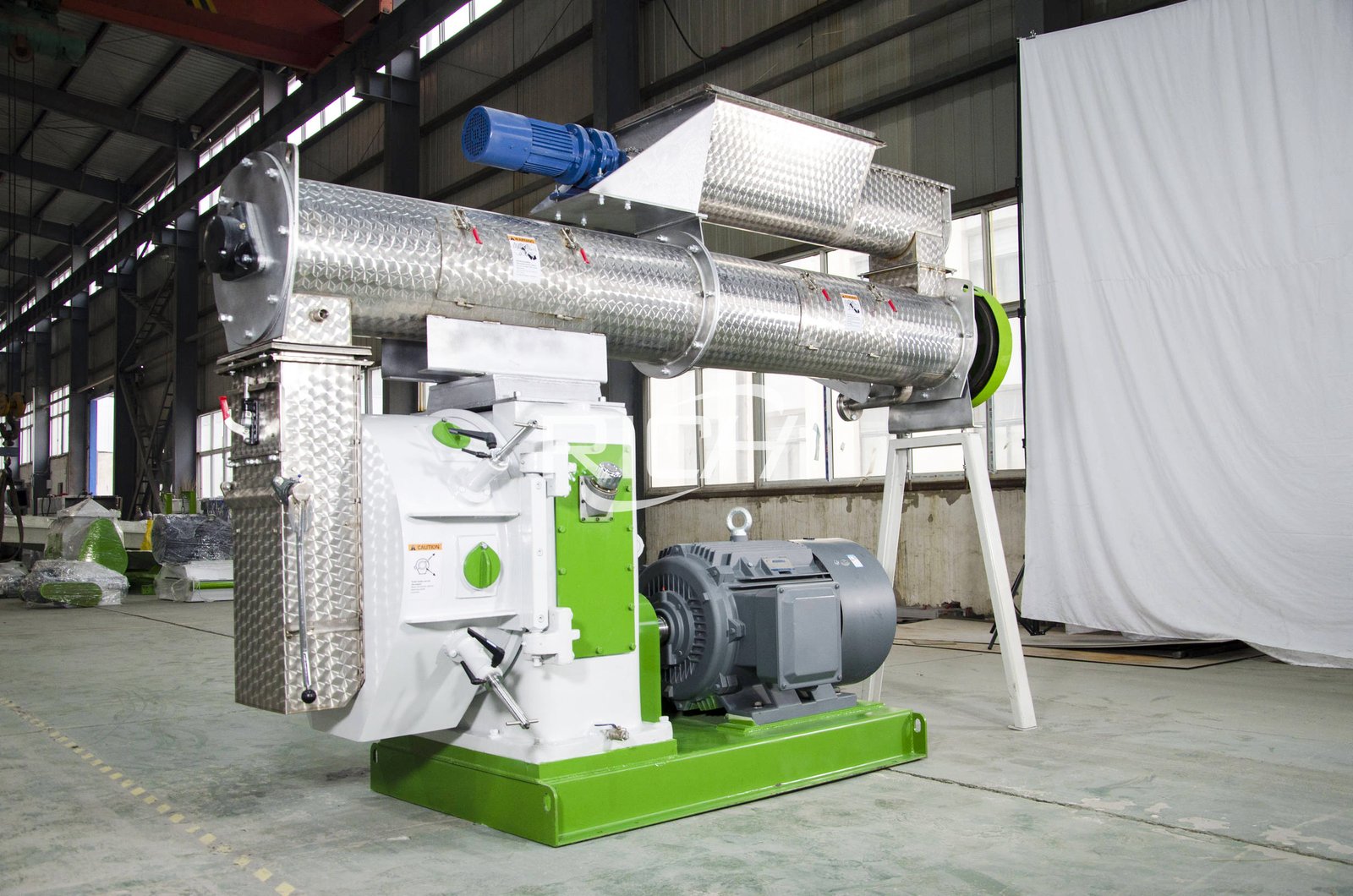
A meaningful equipment comparison also needs a defined process scope. RICHI Machinery’s feed pellet equipment and production-line configuration can help buyers frame discussions about the press and its surrounding process. For the cost baseline, however, list the actual machines included in each measurement. A press-only energy figure and a figure covering grinding, mixing, conditioning, cooling, and conveying are different measures. Neither is useful as a comparison unless the boundary is visible and the product conditions are equivalent.
Separate Measurement From Financial Assumptions
Keep physical operating data distinct from the prices used to value it. Record electricity consumption, steam or other utility use where applicable, accepted tonnage, operating hours, and component usage as measured quantities. Then apply clearly dated tariffs and purchase prices in a separate calculation. This separation lets the buyer update the commercial assessment when energy prices change without pretending that machine efficiency changed at the same time. It also makes errors easier to identify during review.
State what the baseline excludes. Raw ingredients, labor, packaging, depreciation, financing, and overhead may belong in a broader plant cost model, but they should not appear or disappear between comparison periods. Avoid calling a limited energy-and-wear calculation total production cost. Use labels that match the scope, such as measured conversion energy or consumable wear allowance. A buyer can make a sound decision from a limited calculation when its limits are explicit; a comprehensive-looking number with hidden exclusions is much less reliable.
Measure Energy Across a Representative Operating Period
Use a suitable metering arrangement installed and verified by qualified personnel. A motor nameplate is not an energy meter, and an instantaneous current reading is not the same as accumulated electrical energy. Identify which loads are included and synchronize the reading interval with production records. Separate preparation, warm-up, stable operation, interruptions, and shutdown when the available instruments allow it. Keep the entire shift’s consumption available even if the commissioning comparison uses a narrower stable-running interval.
Short trials can misrepresent normal operating demand. Frequent product changes, a small ingredient batch, or a planned interruption may increase energy per saleable ton without indicating a mechanical defect. Conversely, an uninterrupted demonstration on an easy formulation can understate ordinary operating cost. Describe the run conditions and compare like periods before drawing conclusions. If the first trial does not represent the intended production schedule, use it to establish the measurement method and mark the commercial baseline as provisional until a representative campaign has been observed.
Keep Recirculation and Quality Losses Visible
Record the quantity of fines, rejected pellets, and reprocessed material using a consistent method. Recirculation increases handling and processing work even when the material eventually becomes acceptable product. Counting each pass as fresh output inflates the denominator and can make inefficient operation look economical. A practical mass balance distinguishes fresh input, material held in the process, returned material, accepted product, and losses. When the balance does not close, investigate measurement or classification gaps before relying on the unit-cost result.
Quality staff should record why product was held or rejected. A formulation issue, inadequate preparation, handling damage, or a process deviation may call for different corrective action. The cost report should preserve these distinctions rather than assigning every loss to the pellet machine. Link each event to a production interval and ingredient batch. This creates a basis for improvement: the team can estimate whether reducing fines, stabilizing feed preparation, or avoiding unnecessary restarts is likely to improve saleable output more than pursuing a higher gross feed rate.
Track Wear With Component Identity and Exposure
A useful wear record begins with component identification. Log the die, rollers, relevant bearings, and other consumables according to the equipment’s maintenance documentation. Record installation and removal dates, reasons for replacement, accepted tonnage produced, and the materials processed. Separate normal scheduled replacement from damage caused by contamination, unsuitable operating conditions, or an installation problem. Wear life measured only in calendar weeks is difficult to compare when machine utilization and formulations differ.
Do not derive a precise long-term wear cost from a commissioning run that has barely used a new die. Until sufficient operating history exists, identify the estimate as a planning allowance and explain its assumptions. Where components can be refurbished, distinguish purchase, service, and disposal costs without counting the same expense twice. Keep warranty credits separate from the physical failure history. A component replaced without charge still interrupted the process and may indicate a reliability issue that matters to the buyer’s staffing and spare-parts strategy.
Use a Transparent Cost-per-Ton Calculation
For a defined period, energy cost per saleable ton is the recorded energy expenditure divided by accepted saleable tonnage. A combined measured conversion figure can add the included wear charges and other explicitly selected operating items before dividing by the same output. Keep units consistent and document the tariff basis. If different utilities have different units, value them separately before combining costs. A spreadsheet should show its inputs and formulas so a second reviewer can reproduce the calculation independently.
Treat periods with zero saleable output separately rather than forcing them into a normal unit-cost comparison. Record the expenditure and the cause of the lost output as an interruption or unsuccessful trial. Where a run crosses an energy tariff period or uses changing product prices, preserve the underlying quantities. Avoid presenting an illustrative allowance as a supplier guarantee. Commercial commitments require a written scope, defined conditions, and an agreed verification method; a commissioning worksheet can support that discussion but cannot create the commitment by itself.
Compare Conditions Without Hiding Confounding Changes
When testing a change, keep a record of formulation, ingredient preparation, moisture-related conditions, die identity, and operating schedule. A cost difference observed after several simultaneous changes cannot be assigned confidently to one setting. Plan controlled comparisons where practical, and describe unresolved influences where they cannot be controlled. For example, a new die and a different formulation may both affect the result. Labeling the difference as an equipment efficiency improvement would go beyond the evidence.
Review the stability of the result across comparable periods. A single low-cost interval may be caused by temporary inventory movement or a weighing error. Consider both the stable-running figure and the shift-level commercial result. The first helps diagnose process behavior; the second reflects the expenditure the buyer actually carries. Keep distributions, exceptions, and missing data visible rather than reporting only the best number. This approach supports procurement decisions that account for normal production variability instead of promising a uniform outcome under every feed condition.
Build Cost Controls Into Operator and Maintenance Records
The baseline is easier to maintain when ordinary records capture its inputs. Operators should identify the product, batch, production interval, interruptions, and reason for major setting changes. Maintenance staff should identify replaced parts and the associated equipment condition. Quality staff should connect release and rejection decisions to the production record. Give ownership of each field to a specific role. A cost model that depends on one engineer manually reconstructing every shift is unlikely to remain useful after handover.
Review the data at a practical frequency that fits the plant’s production pattern. Investigate substantial unexplained changes before revising the baseline. Check meters, scales, product classification, and inventory treatment as well as the machine itself. If an improvement is confirmed, retain the prior baseline and document why the new condition was accepted. This preserves the ability to compare future deviations with both the original commissioning condition and the plant’s later operating practice, rather than overwriting the evidence whenever a spreadsheet is updated.
Use the Baseline to Support a Commercial Decision
The buyer’s review should ask whether the measured operating conditions resemble the intended plant workload, whether saleable output is defined consistently, and whether wear estimates have enough history to be credible. Identify which uncertainties could materially alter the decision. Some gaps may be closed by another representative run, while others need longer component exposure or better instrumentation. Put these actions in the acceptance record instead of treating every unresolved item as a minor qualification to an otherwise exact cost claim.
A defensible cost baseline does not need to promise the lowest possible unit cost. It needs to show how energy, wear, interruptions, and product acceptance contribute to the result. That evidence lets production, maintenance, quality, and procurement staff discuss the same operating reality. With a transparent denominator and traceable inputs, the plant can prioritize improvements, evaluate supplier claims fairly, and recognize when a change in apparent cost comes from prices or product mix rather than from the pellet machine’s performance.
