

For decades, swine nutritionists have focused intensively on ingredient selection and formulation precision. Amino acid profiles, energy density, and mineral bioavailability have been the primary levers for optimizing growth performance and feed efficiency. Yet a critical variable has often been overlooked: the physical form of the feed itself. Emerging research and practical experience increasingly demonstrate that processing technology is not merely a logistical consideration but a direct determinant of nutritional outcomes.
Related Post: https://pelletizerextruder.com/feed-pellet-machine/
The Digestive Consequences of Feed Form
The pig’s digestive system evolved to process a variety of feedstuffs, but its efficiency varies significantly depending on how those feeds are prepared. When grains and protein meals are simply ground and mixed into a mash, the pig must expend substantial energy on mastication and enzymatic breakdown. The physical structure of the feed particles influences the rate of passage through the gastrointestinal tract, the accessibility of nutrients to digestive enzymes, and ultimately, the proportion of ingested nutrients that are absorbed and utilized.
Pelleting alters this dynamic in several beneficial ways. The combination of heat, moisture, and mechanical pressure during processing gelatinizes starch molecules, making them more susceptible to amylase action in the small intestine. Proteins become partially denatured, increasing their digestibility. Furthermore, the compaction of feed particles into a dense pellet reduces the rate of feed passage, allowing more time for nutrient absorption. Research consistently shows that pelleted diets improve digestible energy utilization by 3-5% and amino acid digestibility by 2-4% compared to mash equivalents.
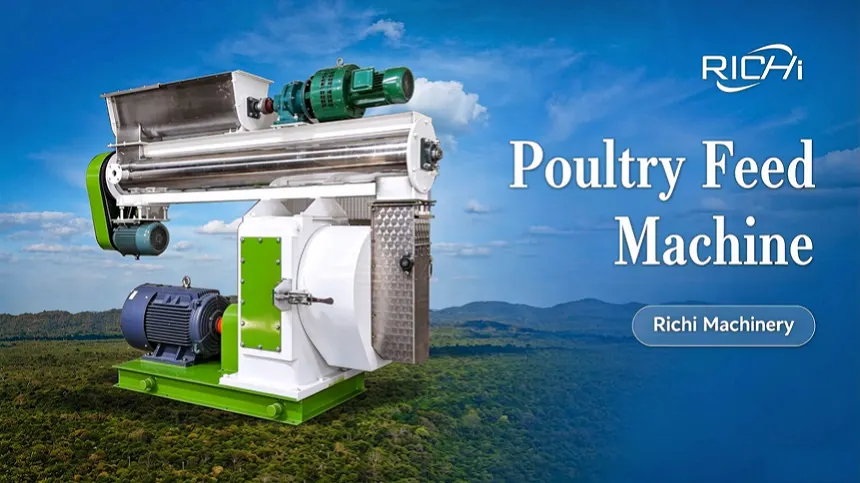
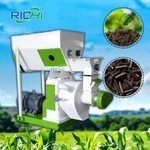
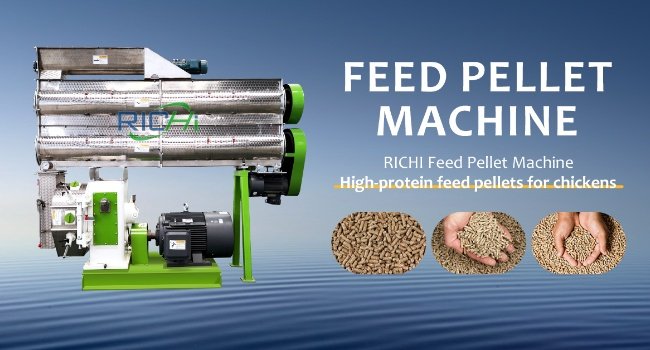
The implications for production economics are substantial. For a commercial operation feeding 10,000 grow-finish pigs annually, a 4% improvement in feed efficiency translates to approximately 500 tons less feed consumed per year—a saving of $150,000-$200,000 at current ingredient prices. This return on investment makes the case for advanced processing equipment compelling, regardless of the specific diet formulation being used. A well-engineered pig feed pellet machine ensures that these theoretical nutritional benefits are consistently realized in commercial production, delivering the improved digestibility and feed conversion that drive profitability.
Formulation Flexibility and Equipment Adaptability
Modern swine production relies on phase-feeding programs that adjust diet composition to match the changing nutritional requirements of pigs at different growth stages. A typical program may include five or more distinct diets: complex starter rations for weaned pigs, transition diets, grower diets, early and late finisher diets, and specialized sow gestation and lactation formulations. Each of these diets has unique physical characteristics that influence how they behave during processing.
Starter diets, which contain high levels of milk products, fish meal, and finely ground cereals, have high fat content and fine particle size. They require careful conditioning to prevent die blockage and achieve adequate pellet durability without overheating and damaging heat-sensitive ingredients like immunoglobulins and probiotics. Finisher diets, in contrast, have higher fiber content from grains and by-products, which can be abrasive and demanding on die surfaces. Sow diets often include bulky, high-fiber ingredients that challenge the pelleting system’s capacity.
This diversity demands equipment that can adapt to changing formulations without extensive downtime. The ability to switch between diet types within a single production day—producing starter pellets in the morning and finisher pellets in the afternoon—provides operational flexibility that supports just-in-time inventory management and reduces the need for large feed storage capacities. Modern control systems allow operators to store parameter sets for different formulations, ensuring consistent pellet quality across diet changes with minimal manual intervention.
The Economic Case for Higher Throughput
As operations scale, the economics of feed processing shift decisively in favor of larger, more integrated systems. Fixed costs—including equipment investment, facility overhead, and management labor—are spread across greater production volumes, reducing the per-ton cost of feed manufacturing. Energy efficiency also improves with scale, as larger motors and more efficient drive systems typically consume less power per ton of output.
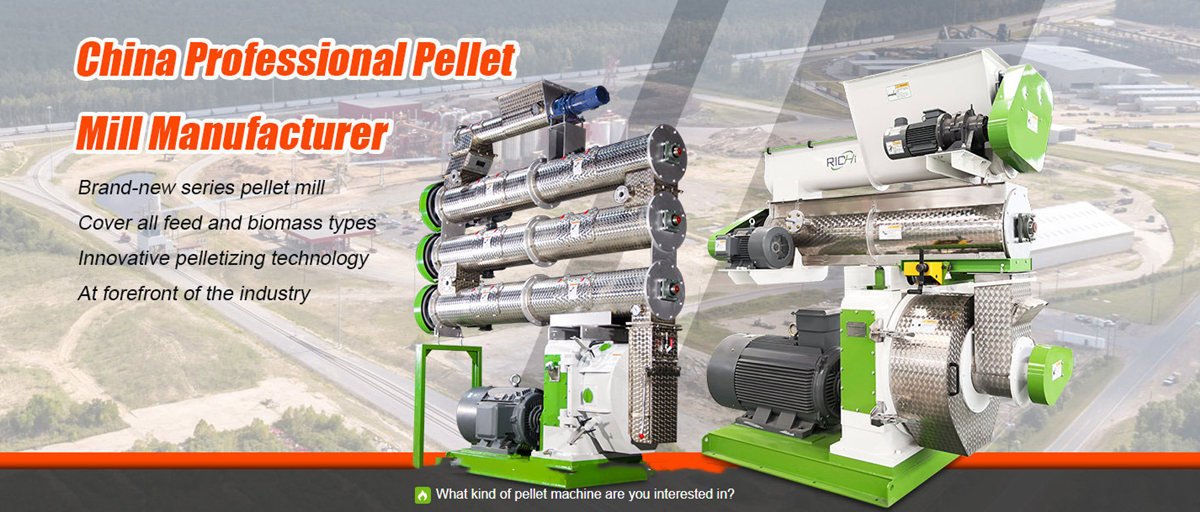
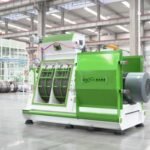
For operations with herds exceeding 2,000 sows or finishing more than 20,000 pigs annually, feed production requirements typically reach 5-10 tons per hour or more. At these volumes, the choice of processing equipment has a direct impact on both production capacity and operating costs. The market offers solutions across a broad capacity spectrum, accommodating everything from small farm-scale units to massive industrial lines. A 1-40T/H industrial feed pellet machine provides the flexibility to match production capacity to current herd size while preserving the ability to expand as the operation grows. This capacity range is particularly relevant for custom feed mills serving multiple farms, as it allows them to batch produce different diet formulations for different customers without excessive changeover times, maximizing equipment utilization and minimizing idle hours.
Material Flow and Process Integration
The pellet mill does not operate in isolation. Its performance depends critically on the upstream processes of grinding and mixing, as well as the downstream processes of cooling, crumbling, and packaging. A holistic view of the production line reveals opportunities for optimization that extend far beyond the pellet press itself.
Grinding uniformity affects pellet durability: overly fine particles may reduce throughput while overly coarse particles compromise pellet integrity. The conditioning process, which applies steam and heat before pelleting, must be precisely controlled to achieve optimal moisture content and temperature for each diet type. The cooler, which gradually reduces pellet temperature and moisture after processing, must be sized appropriately to handle the output of the pellet mill without creating bottlenecks.
For producers designing new feed mills or upgrading existing facilities, the integration of these components into a seamless production flow is as important as the selection of individual equipment pieces. Suppliers with comprehensive process engineering capabilities can provide valuable guidance on plant layout, material handling, and control system integration. This expertise helps avoid costly mismatches between equipment components and ensures that the production line achieves its rated capacity from the first day of operation. RICHI Machinery offers this level of integrated process knowledge, combining decades of engineering experience with a global track record of over 2,000 installed projects to help producers design efficient, reliable feed manufacturing systems.
Quality Assurance and Pellet Durability
Pellet quality is multidimensional, encompassing physical durability, uniform size and shape, and consistent density. The Pellet Durability Index (PDI) is the standard industry measure of physical quality, with values above 95% indicating excellent resistance to breakage during handling and transport.
Achieving high PDI requires attention to multiple process variables. The compression ratio of the die, measured as the ratio of die hole length to diameter, must be matched to the diet formulation. Higher compression ratios produce harder, more durable pellets but reduce throughput and increase energy consumption. The conditioning temperature affects binding: too low, and the natural binders in the feed (starches and proteins) are not fully activated; too high, and heat-sensitive nutrients may be degraded.
Modern equipment incorporates sensors and control systems that monitor these variables continuously, adjusting parameters to maintain consistent pellet quality as ingredients or operating conditions change. This real-time optimization capability is particularly valuable when processing multiple diet formulations, as it reduces the need for manual adjustments and minimizes the risk of producing substandard pellets.
Global Manufacturing Capabilities and Technical Support
The choice of equipment supplier has long-term implications for operational reliability and cost. Manufacturers with established research and development programs, rigorous quality control systems, and proven experience across multiple materials and applications offer distinct advantages over less established competitors.
The value of a global service network cannot be overstated. When production interruptions occur—and they inevitably do—the speed of parts delivery and technical response determines the duration of downtime and its associated costs. Manufacturers with regional warehouses, local service representatives, and comprehensive documentation provide the support infrastructure that keeps production lines running. For producers seeking reliable, high-performance equipment backed by responsive service, it is advisable to click to contact a professional manufacturer who can provide detailed specifications, configuration options, and tailored recommendations based on specific production requirements.
Navigating the Investment Decision
For producers evaluating pelleting equipment investments, a systematic approach to decision-making helps clarify priorities and avoid costly mistakes:
- Feedstock Characterization: Analyze the physical and chemical properties of the diets to be produced, including moisture content, fat level, fiber composition, and particle size.
- Capacity Planning: Project feed requirements based on current and expected production volumes, including a margin for growth and potential external sales.
- Power and Utility Assessment: Verify that the facility can provide adequate electrical power, steam supply (if applicable), and cooling water for the planned equipment.
- Space and Layout Considerations: Evaluate the available floor space and the flow of materials from intake to finished product storage.
- Operational Skill Requirements: Consider the technical expertise available on-site and the training support offered by the supplier.
- Service and Parts Availability: Research the supplier’s support infrastructure, including response times, parts inventory, and technical assistance options.
By addressing these factors systematically, producers can select equipment that meets their current needs while providing the flexibility to adapt to future changes in herd size, diet formulations, or market conditions. The right equipment, properly specified and supported, transforms feed processing from a cost center into a strategic advantage that supports herd performance and operational profitability.