


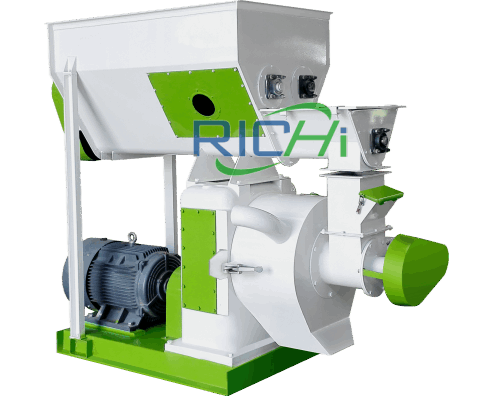
The biomass energy industry is developing rapidly as more countries focus on sustainable fuel alternatives and agricultural waste recycling. Crop residues such as wheat straw, rice straw, corn stalks, and oat straw are now widely used for biomass pellet production. Instead of burning these materials in open fields, many agricultural businesses are turning them into renewable fuel products through advanced pelletizing technology. In this market, the straw pellet machine has become an important solution for efficient biomass fuel manufacturing.
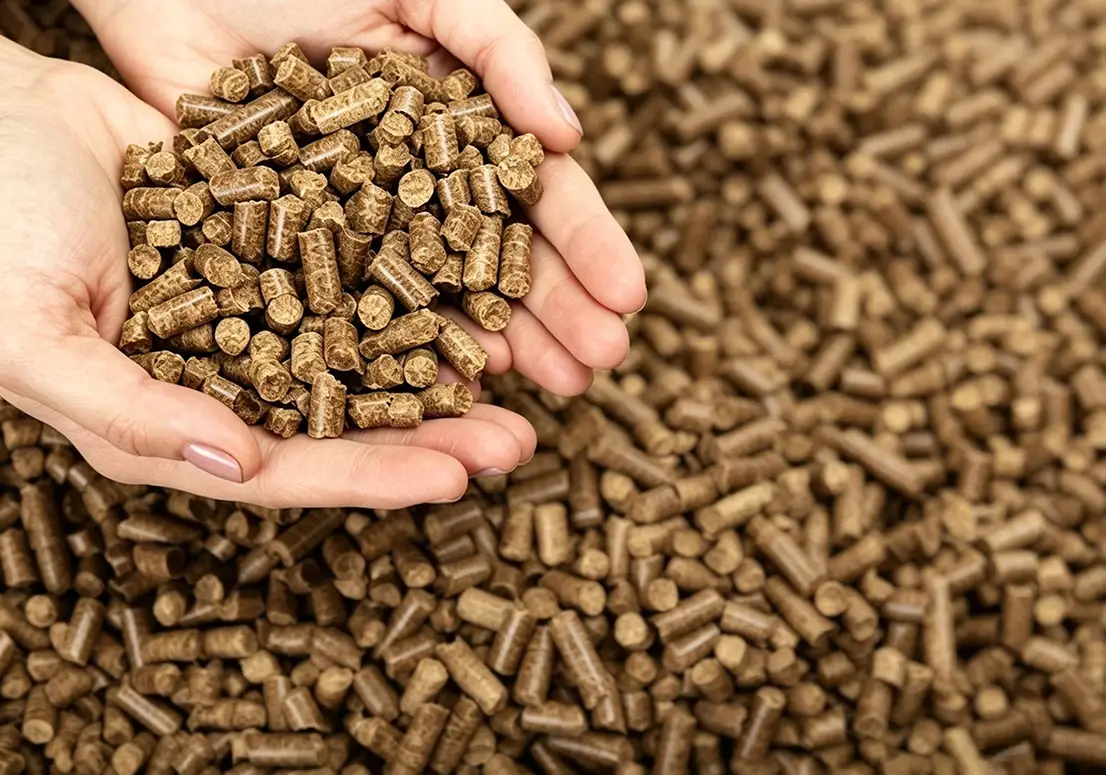
Biomass straw pellets are commonly used in industrial boilers, heating plants, biomass power stations, and commercial energy systems. Compared with loose straw materials, pelletized biomass has higher density, lower transportation costs, and more stable combustion performance.
Why Straw Biomass Pellets Are in Demand
Large quantities of straw residues are generated every year after crop harvesting. In many agricultural regions, disposal of these materials creates environmental concerns and storage problems. Pelletizing technology offers a practical way to recycle crop waste into valuable energy products.
Pellet fuel provides several advantages compared with raw agricultural residues. First, pellets require less storage space because of their compact structure. Second, pellet fuel burns more efficiently and evenly than loose straw. Third, biomass pellets generate less smoke and dust during transportation and combustion.
Because straw materials contain long fibers and varying moisture levels, specialized processing equipment is necessary for stable pellet production. A professional pelleting machine helps ensure consistent pellet quality and efficient production performance.
Main Equipment in a Straw Pellet Production Plant
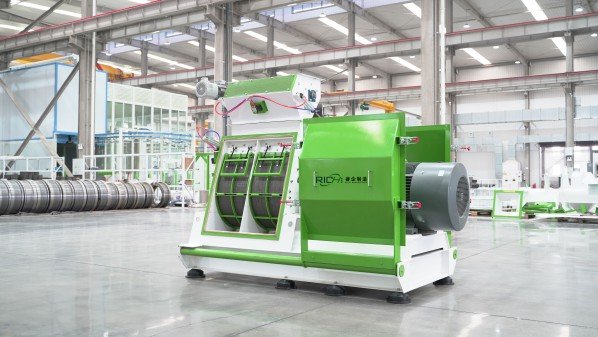
A complete straw pellet production line usually includes raw material handling systems, crushing equipment, drying systems, pellet mills, cooling machines, screening units, and packaging systems.
The process starts with pretreatment. Since agricultural straw often contains uneven moisture and large particle sizes, crushing and drying systems are essential before pelletizing. Proper moisture control improves pellet density and reduces equipment wear.
The pellet mill then compresses the prepared material under high pressure to form dense cylindrical pellets. After pelletizing, cooling systems reduce pellet temperature before the pellets move through screening and packaging stages.
For commercial biomass fuel projects, many companies prefer an industrial straw pellet line solution because integrated production systems improve efficiency, automation, and long-term operating stability.
Advantages of Modern Straw Pellet Machines
Modern biomass pellet equipment is designed to improve productivity while reducing labor and energy consumption. Automated control systems allow operators to monitor feeding speed, pellet temperature, and equipment performance in real time.
Durability is another important advantage. Since straw materials can create significant friction during compression, high-quality pellet mills use wear-resistant ring dies, reinforced rollers, and optimized transmission systems to improve machine lifespan.
Advanced pelletizing technology also improves fuel quality by producing pellets with stable density and moisture levels. This helps biomass fuel suppliers meet commercial energy market requirements more effectively.
Choosing the Right Pellet Production Equipment
Before investing in biomass pellet machinery, businesses should carefully evaluate raw material characteristics, target production capacity, automation level, and future expansion plans.
Factory layout design is equally important. Efficient equipment configuration can reduce energy consumption, improve production flow, and lower long-term maintenance costs.
Many investors also focus on after-sales service, spare parts support, and engineering guidance when selecting equipment suppliers. Proper technical support can significantly improve production stability and reduce downtime.
For additional biomass fuel project references and technical details, you can explore more information by Going Here to learn about advanced pelletizing systems and production solutions.
Future Opportunities in Biomass Pellet Production
Global demand for renewable energy continues to increase as industries search for cleaner and more sustainable fuel sources. Agricultural waste recycling is becoming an important strategy for reducing pollution while creating new business opportunities.
With efficient pellet production technology and professional project planning, straw biomass fuel manufacturing offers strong long-term potential for agricultural companies, biomass fuel suppliers, and renewable energy investors worldwide.
(Related Post: https://www.richipelletmill.com/straw-pellet-mill/)