

As the world faces growing environmental challenges and increasing energy demand, renewable energy has become one of the most important priorities for governments, industries, and investors. Traditional fossil fuels such as coal, oil, and natural gas continue to contribute to greenhouse gas emissions, climate change, and environmental pollution. In response, many countries are searching for cleaner and more sustainable energy alternatives. Among the many renewable energy solutions available today, biomass fuel pellets have emerged as one of the most practical and scalable options.
Biomass fuel pellets are compact renewable fuel products made from agricultural residues, forestry waste, and organic biomass materials. They are widely used in industrial boilers, biomass power plants, heating systems, and commercial energy applications. Modern biomass processing technologies, including the rice husk pellet machine, allow agricultural waste to be converted into valuable energy products that reduce dependence on fossil fuels and support sustainable development.
This article explains in detail how biomass fuel pellets support renewable energy, their environmental and economic benefits, and the important role of pellet production equipment in the global energy transition.
1. Understanding Biomass Fuel Pellets
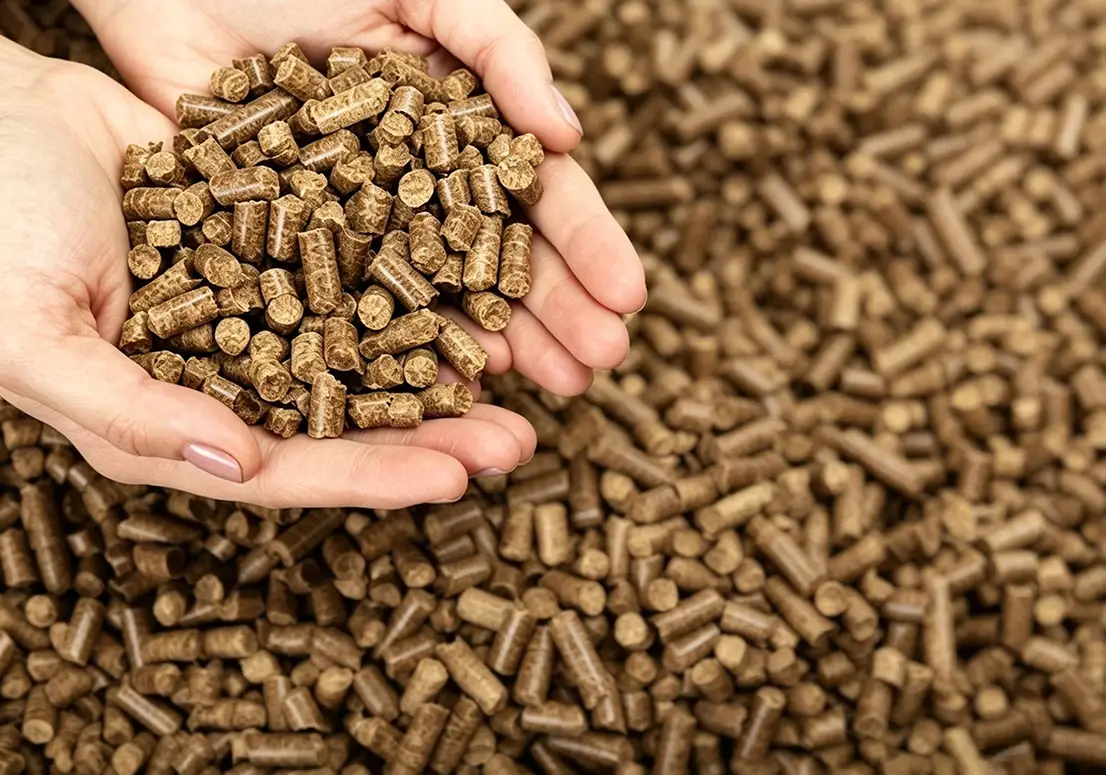
Biomass fuel pellets are dense cylindrical fuel products produced by compressing biomass materials under high pressure. Common raw materials include:
- Sawdust
- Wood chips
- Rice husks
- Wheat straw
- Corn stalks
- Peanut shells
- Bamboo waste
- Bagasse
- Palm fiber
These raw materials are often agricultural or forestry residues that would otherwise be discarded, burned, or left to decompose.
The pelletizing process increases material density, making biomass easier to transport, store, and use as fuel.
2. Why Renewable Energy Is Important
Global energy consumption continues increasing due to industrial development, urbanization, and population growth. However, traditional fossil fuels create several major problems:
- High carbon emissions
- Air pollution
- Climate change
- Resource depletion
- Environmental degradation
Renewable energy provides a cleaner alternative that can reduce environmental damage while ensuring long-term energy security.
Biomass energy is especially important because it converts waste materials into usable energy instead of relying on limited fossil fuel reserves.
3. Biomass Energy as a Renewable Resource
Biomass is considered renewable because the raw materials can be continuously replenished through agriculture and forestry activities.
For example:
- Crops are harvested annually
- Trees can be replanted
- Agricultural waste is generated every season
Unlike fossil fuels that require millions of years to form, biomass materials are produced naturally and continuously.
This makes biomass fuel pellets a sustainable long-term energy solution.
4. The Role of Biomass Fuel Pellets in Renewable Energy
Biomass fuel pellets support renewable energy in several important ways:
4.1 Replacing Fossil Fuels
Pellets can replace coal in:
- Industrial boilers
- Biomass power plants
- Heating systems
- Steam generation facilities
This significantly reduces greenhouse gas emissions.
4.2 Reducing Agricultural Waste Pollution
In many agricultural regions, crop residues such as rice husks and straw are burned openly after harvest, causing severe air pollution.
By using equipment such as the rice husk pellet machine, these wastes can be converted into clean fuel pellets instead of being burned in fields.
4.3 Supporting Circular Economy Systems
Biomass pellets transform waste into valuable energy products.
This creates a circular economy where:
- Agricultural waste becomes fuel
- Waste disposal costs are reduced
- Resource utilization improves
5. How Biomass Fuel Pellets Are Produced
The production process typically includes:
- Raw material collection
- Crushing and grinding
- Drying
- Pelletizing
- Cooling
- Packaging
Each stage contributes to fuel quality and production efficiency.
6. Importance of the Rice Husk Pellet Machine
Among agricultural residues, rice husks are one of the most abundant biomass resources in many countries.
However, rice husks are difficult to process due to:
- Low density
- High silica content
- Poor combustion characteristics in raw form
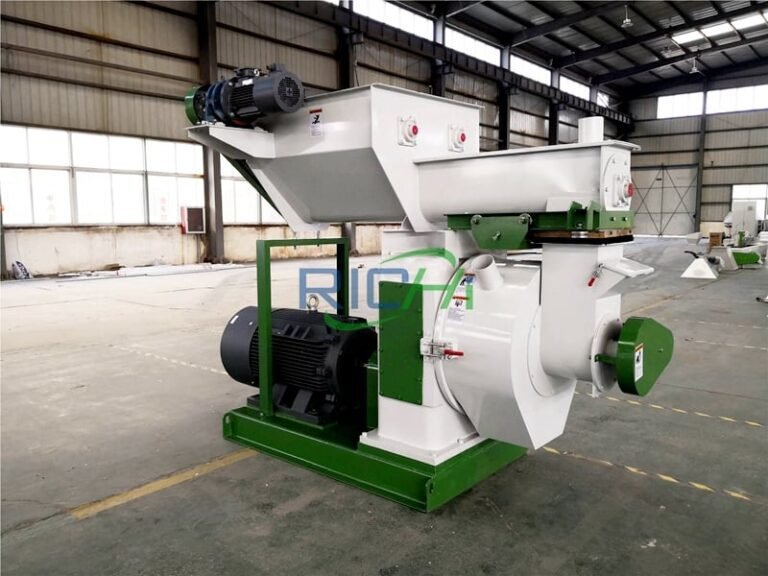
The rice husk pellet machine solves these problems by compressing rice husks into dense fuel pellets.
6.1 How the Rice Husk Pellet Machine Works
The machine operates through several steps:
- Rice husks enter the pellet chamber
- Rollers press material through a die
- High pressure forms compact pellets
- Pellets are cut to uniform length
The resulting pellets are:
- Dense
- Durable
- Easy to transport
- Efficient to burn
6.2 Advantages of Rice Husk Fuel Pellets
Pellets produced by the rice husk pellet machine offer several advantages:
- High energy density
- Lower transportation cost
- Stable combustion performance
- Reduced smoke emissions
- Improved storage efficiency
These advantages make rice husk pellets suitable for industrial and commercial energy applications.
7. Environmental Benefits of Biomass Fuel Pellets
One of the biggest advantages of biomass pellets is environmental protection.
7.1 Lower Carbon Emissions
Biomass is considered carbon-neutral because plants absorb carbon dioxide during growth.
When pellets are burned, the released carbon roughly equals the amount previously absorbed by the plants.
This contrasts with fossil fuels, which release ancient carbon stored underground for millions of years.
7.2 Reduced Open Burning Pollution
Agricultural waste burning creates:
- Smoke
- Particulate pollution
- Carbon emissions
- Respiratory health problems
Using the rice husk pellet machine converts waste into clean fuel instead of allowing uncontrolled burning.
7.3 Reduced Landfill Waste
Biomass pellet production reduces waste accumulation in landfills and improves waste management efficiency.
8. Economic Benefits of Biomass Pellet Production
Biomass fuel pellets also provide strong economic advantages.
8.1 Additional Income for Farmers
Farmers can sell agricultural residues such as rice husks, straw, and corn stalks to pellet producers.
This creates new income opportunities.
8.2 Rural Employment Opportunities
Pellet production plants create jobs in:
- Raw material collection
- Transportation
- Machine operation
- Maintenance
- Packaging
This supports rural economic development.
8.3 Reduced Energy Costs
Biomass pellets often cost less than fossil fuels, especially in agricultural regions with abundant biomass resources.
9. Industrial Applications of Biomass Fuel Pellets
Biomass pellets are widely used in:
- Biomass power plants
- Industrial boilers
- Cement factories
- Food processing industries
- Textile factories
- Residential heating systems
Their versatility makes them an important renewable fuel source.
10. Biomass Power Generation
Many countries are building biomass power plants that use fuel pellets to generate electricity.
Advantages include:
- Renewable energy generation
- Reduced coal consumption
- Lower emissions
- Utilization of local biomass resources
The rice husk pellet machine is particularly important in rice-producing countries where husk waste is abundant.
11. Challenges in Biomass Pellet Production
Despite its advantages, biomass pellet production faces several challenges:
- Raw material moisture variability
- Transportation logistics
- Equipment maintenance
- Energy consumption during processing
However, modern pellet technology continues improving efficiency and reliability.
https://pelletisingmachine.com/biomass-pellet-mill
12. Importance of Moisture Control
Moisture control is critical for pellet quality.
Ideal moisture content is usually:
- 10%–15% before pelletizing
Too much moisture causes:
- Low pellet hardness
- Machine blockages
- Poor combustion performance
Drying systems are therefore essential.
13. Automation in Pellet Production
Modern biomass pellet plants increasingly use automation technology.
Automated systems provide:
- Real-time monitoring
- Stable pellet quality
- Reduced labor cost
- Improved production efficiency
Advanced rice husk pellet machine systems often include PLC controls and automatic lubrication systems.
14. Energy Efficiency Improvements
Modern pellet plants focus heavily on energy-saving technologies.
Examples include:
- High-efficiency motors
- Optimized transmission systems
- Heat recovery systems
- Intelligent control software
This improves profitability and sustainability.
15. Global Market Demand for Biomass Pellets
The global demand for biomass fuel pellets continues to grow due to:
- Climate change policies
- Renewable energy targets
- Carbon reduction regulations
- Increasing fossil fuel prices
Europe, Asia, and North America are major biomass pellet markets.
16. Role of Biomass Pellets in Carbon Reduction Strategies
Many governments now include biomass energy in national carbon reduction plans.
Biomass pellets help:
- Replace coal
- Lower industrial emissions
- Improve renewable energy ratios
This makes pellet production an important part of future energy systems.
17. Future Development of Biomass Pellet Technology
Future innovations include:
- Higher-efficiency pellet mills
- AI-based production control
- Improved combustion systems
- Low-energy drying technologies
The rice husk pellet machine will continue evolving to process difficult agricultural materials more efficiently.
18. Sustainability and Long-Term Energy Security
Biomass fuel pellets support long-term energy security by utilizing local renewable resources.
Countries with strong agricultural sectors can reduce dependence on imported fossil fuels by developing domestic biomass industries.
Conclusion
Biomass fuel pellets play a crucial role in supporting renewable energy development worldwide. By transforming agricultural and forestry waste into clean, dense, and efficient fuel products, biomass pellet technology helps reduce carbon emissions, improve waste management, and promote sustainable energy systems.
Among the many technologies involved, the rice husk pellet machine is especially important in agricultural regions where rice husks are abundant. It allows low-value agricultural waste to become a valuable renewable energy resource.
As global demand for clean energy continues increasing, biomass fuel pellets will remain one of the most practical and scalable renewable energy solutions for industries, governments, and rural economies around the world.